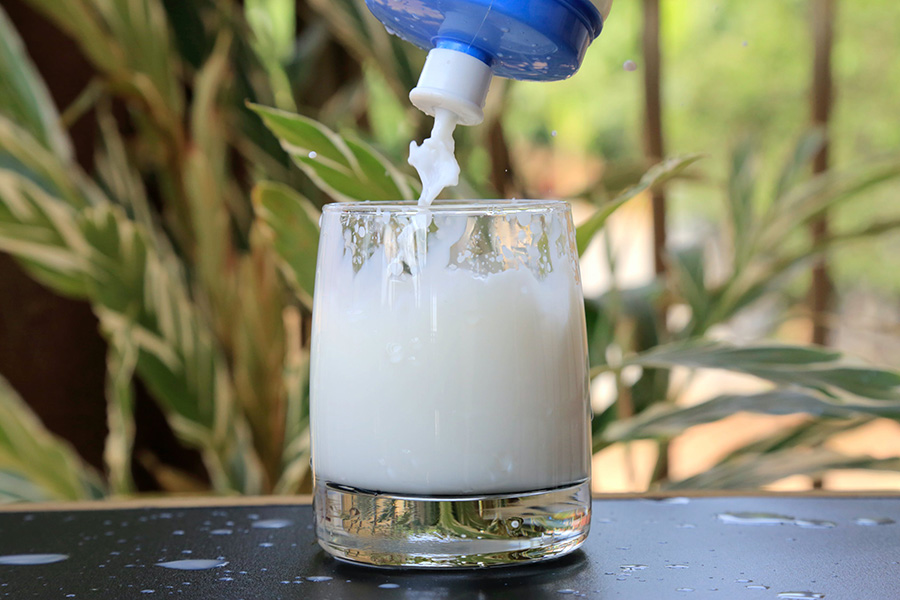
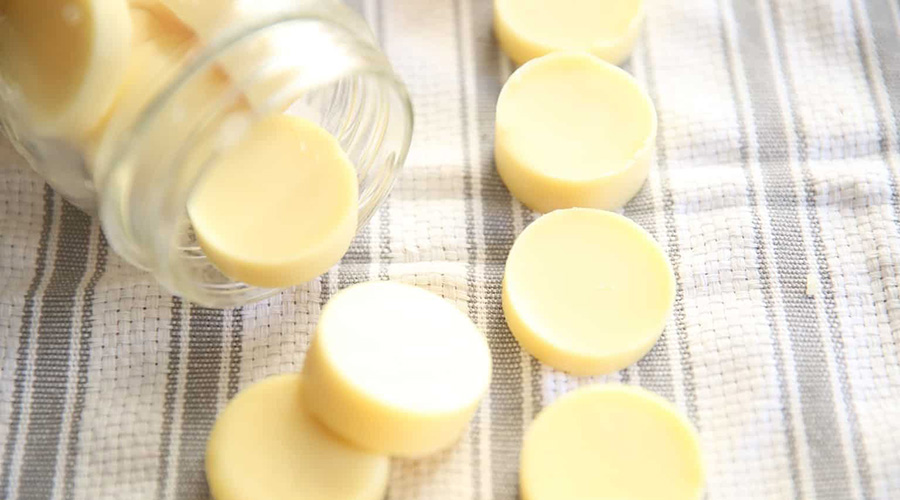
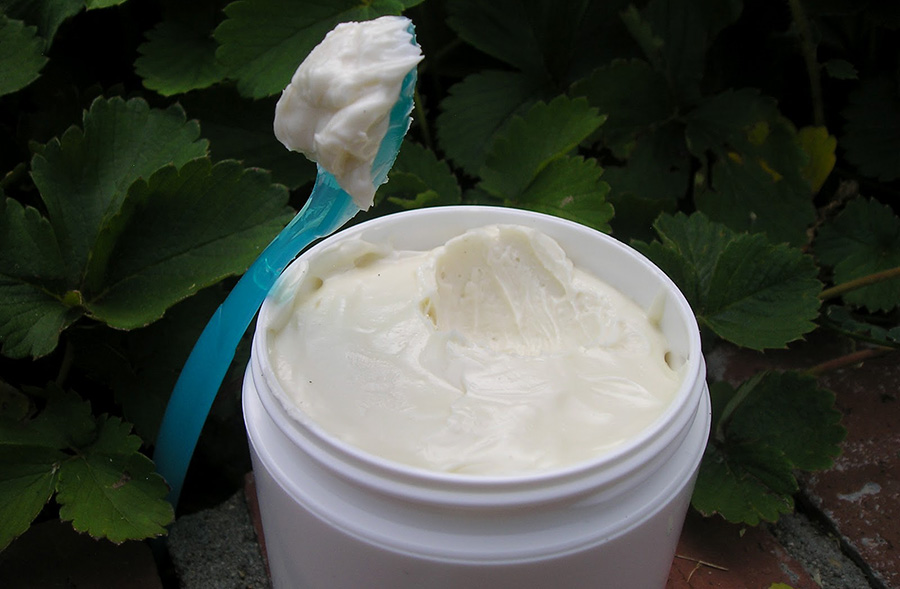
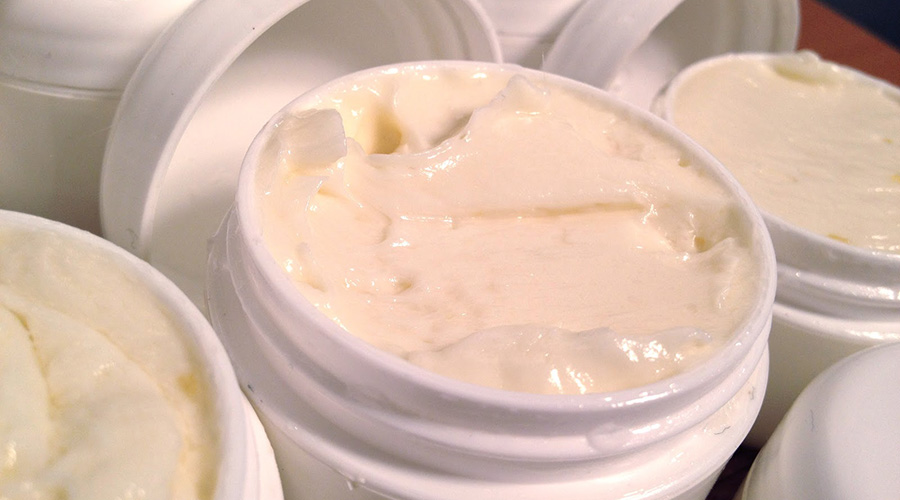
Want to know a secret? CBD-infused lotions are taking the skincare industry by storm and there’s no slowing down. When CBD oil became all the craze a few years ago, many companies explored the advantages of adding CBD oil to a lotion to create CBD hemp lotion. Genius, right?
You can apply hemp lotion to your body the same way you would with regular lotion. They’re best suited for large areas on your body but can also serve as a hand, neck, or foot cream. You have lots of flexibility here.
In this article, we’ll highlight the top seven CBD lotion benefits. Find out if it’s the missing piece in your skincare collection.
1. Provides localized relief to your discomfort
One of the biggest benefits of using hemp body lotion is its ability to go to work precisely where you want it to. For example, let’s say you have a lot of redness and dry skin on your legs. Go ahead and apply some CBD lotion there and rub it in completely. The therapeutic properties of the lotion will work only in that area.
In contrast, CBD oil or gummies can’t give you this type of localized relief. Ingesting CBD is more generalized. So, this is a huge asset that only hemp body lotions and other CBD topicals can provide. If you’re dealing with discomfort anywhere on your skin, including your face, neck, body, and feet, hemp oil lotion is your best bet over the other forms of CBD.
2. Formulated with botanical herbs
All the best CBD lotions contain additional plant-based ingredients to boost the effects of CBD. It’s common for a list of ingredients to have seed oils, like coconut oil, jojoba oil, grapeseed oil, hemp seed oil, and sesame oil.
Also, they usually contain things like cocoa butter, mango butter, aloe vera, and essential oils. Some common essential oils in these CBD topicals include ginger, chamomile, peppermint, lavender, and several others.
These botanical ingredients make the lotion smell divine. And, perhaps more importantly, they also have healing properties for the skin. This is why essential oils for aromatherapy are so popular, they can improve someone’s state of well-being. The same is true when used in a topical, like a CBD body lotion.
No surprise here, right? Many people rely on lotions to keep their skin moisturized. Well, the motivation for using hemp lotion is no different. As we mentioned in benefit number two, companies use a diverse selection of seed oils and seed butter to provide nourishment to the skin.
More specifically, for skin that becomes dry from the shower, swimming in the pool, or from a skin condition.
When you apply CBD lotion to your skin you’re helping to rehydrate it and reduce any cracking, so you can have skin that looks and feels great.
4. Quick absorption & fast-acting
Once a CBD oil lotion gets massaged into the skin it enters the bloodstream. This is why the effects of CBD can be felt quickly. Once CBD reaches the bloodstream the body is able to register it and respond accordingly. So, if you’re applying CBD hemp lotion for pain, you may start to get relief within minutes.
Of course, every single person is different. We all have unique body chemistry and varying levels of pain, ranging from acute to chronic. When we find the right product, with the right amount of CBD and the ideal combination of ingredients, then the relief could come quickly.
We can’t make any promises, yet the sheer volume of anecdotal reports on the benefits of CBD lotion is astounding. Check them out for yourself.
5. To elevate a traditional massage
Is it safe to assume that people love great massages? If you want to enhance the experience and the outcome of a full body massage, use a CBD hemp lotion. Well, you wouldn’t use it, the massage therapist would.
In fact, many spas and mobile massage companies use CBD massage lotion during the session. If you’re not sure whether a company offers this as part of its treatments, give them a call or bring your own hemp lotion with you. At this point in time, the FDA frowns upon anyone making statements about what CBD can or can’t do. Even in the context of a massage. So, rather than making any claims, we can suggest doing some research or reading this great article about CBD topicals.
6. Used in place of your regular lotion
You don’t have to keep your old lotion when you buy CBD lotion. Unless you want to, of course. The point is you don’t actually need both, because hemp lotion can give you all the benefits of your regular body lotion, plus more.
Also, you have many choices when it comes to buying hemp lotion. For instance, companies make CBD lotion for pain, CBD massage lotion, like we mentioned earlier, or CBD hand and foot lotions.
Additionally, you could find a product that caters to different skin types like dry, sensitive, and oily skin.
7. CBD lotion gives your largest organ some love
With skincare being such a hot industry, you may already be aware of this fact— our skin is the largest organ. Is it hard to image your skin as an organ? It was for me too.
Our skin is like a barrier that shields and protects our internal organs and everything else inside our bodies. On the same token, what we put on our skin can be helpful or harmful. So, it’s important to use discretion with the skincare products you buy.
One way to keep our skin radiant, moisturized, and in tip-top shape is to use a high-quality, chemical-free, organic hemp oil lotion. It can offer your skin the type of love it deserves! Ready to get your hands on some CBD lotion and save? Then use my coupon code “yoga” to save 5% today on all the products in your Dr.Ganja shopping cart.
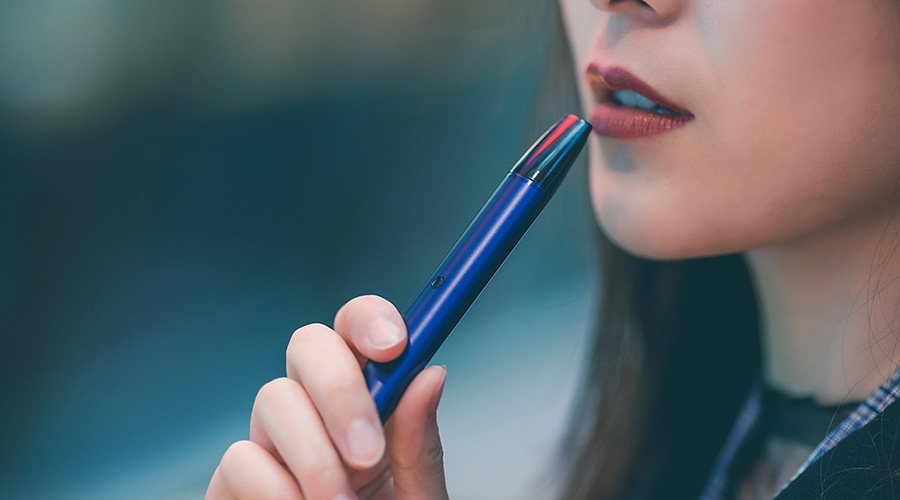
Vaping is a popular means of dosing products like CBD. Convenience and ease of use are two big reasons that using a CBD vape pen is now trendy. Vaporizer pens are usable nearly anywhere and are ideal for discrete use. And CBD effects from vaping are often felt in mere minutes.
CBD is usually dispensed by screwing a cartridge onto a battery base and pressing a button. There are also disposable CBD vapes that don’t need a CBD cart. Users can otherwise buy CBD vape juice to fill their own cartridges.
CBD pills and drops may be more precise, but it is still pretty easy to dose by vaping CBD. A full CBD vape cartridge can dispense 100 or more puffs.
Before getting into using CBD vapes and CBD vape juice, there are a few things that are good to know.
What is CBD vape juice?
CBD comes in many forms. CBD consumers take hemp pills, use CBD oil drops, eat CBD edibles or dose with CBD vape juice. Each has its pluses and minuses. Edible forms of CBD are good for general effects but can take time to digest. Topical CBD products like patches and lotions pinpoint specific pain areas. CBD vape juice products deliver a potent cloud of vapor that users can breathe in for relief.
CBD vape juice is the same thing as CBD vape oil and CBD e-liquid. The names may be different, but the function is the same. Edible CBD oil isn’t the same as vape juice, though the two are sometimes confused. Vaping straight CBD oil produces harsh smoke that isn’t good for breathing.
CBD vape juice is isolate mixed with lightweight propylene glycol and vegetable glycerin. There may also be terpenes and other cannabinoids. Sometimes manufacturers add flavoring to their CBD vape oil. Anything other than PG/VG is most likely not made for inhalation.
What are the side effects of vaping CBD e-liquid?
For those wondering ‘Is CBD vape juice legal and safe?’ the answer is both.
In some US states and many other countries there is legal high vape juice with THC. CBD is legal in places that don’t allow medical or recreational marijuana.
CBD has little to no THC. That means CBD vape juice effects do not include getting high. In fact, CBD e-liquid is just like any other CBD product. All CBD merchandise must meet the federal limit of 0.03% THC or less.
CBD vape juice effects are largely beneficial. Many people who vape CBD do so to reduce pain and inflammation. Vaping CBD can also potentially reduce anxiety. Epileptic seizures, insomnia, arthritis, and multiple sclerosis are other conditions CBD might help.
Very few users report bad side effects like fatigue and appetite loss from using CBD vape juice.
What is the right CBD vaping dosage?
The correct dosage of CBD e-liquid depends on a user’s reason for taking CBD and their own body. Issues like chronic pain may need a higher dosage than sleeplessness. Seeking the advice of a doctor or medical caregiver is a good idea.
There are some guidelines about dosing CBD based on user weight and desired strength:
Low Dosage of CBD Vape Juice
Medium Dosage of CBD Vape Juice
High Dosage of CBD Vape Juice
45-85lbs / 10mg
45-85lbs / 15mg
45-85lbs / 20mg
86-155lbs / 15mg
86-155lbs / 20mg
86-155lbs / 25mg
156-250lbs / 20mg
156-250lbs / 25mg
156-250lbs / 30mg
251lbs+ / 25mg
251lbs+ / 30mg
251lbs+ / 35mg
The amount of CBD in vape juices and CBD cartridges varies. An average 1 milliliter CBD cartridge offers about 100-200 puffs altogether. So, a 1ml cartridge containing 100mg of CBD vape oil should put out ½ – 1mg of CBD per hit.
With the above information, a consumer can figure out the ideal CBD vape juice dosage for their needs. Again, it is wise to consult with a medical professional before dosing with CBD.
What to look out for when purchasing CBD vape juice?
Users want the best CBD vape juice for their particular needs. For some, that will be full spectrum CBD vape juice. Full spectrum CBD provides an entourage effect that boosts potency. It does so because of the presence of other cannabinoids and terpenes from hemp. But there is a slight trace of THC, though not enough to get anyone high.
An alternative is broad spectrum CBD without THC. Broad spectrum still boasts cannabinoids and terpenes. There are also CBD vapes with straight CBD. Product labels and online descriptions should state which CBD oil is in the e-liquid.
It is also advisable to make sure CBD vape juice uses lightweight PG/VG as a base. That way it will produce breathable vapor clouds.
Where to start with CBD vaping?
A good way to start vaping CBD is to get a disposable CBD vape pen. These come with a premeasured amount of CBD vape juice. Vaping CBD dosage is easy because with most disposables all you have to do is breathe in. Or it’s a single button push to dispense CBD.
The next simplest method is a CBD vape juice cartridge and a battery base. Using a CBD cart is as easy as screwing a 510 threaded tip onto a battery pen base. Then the user just presses a button and puffs away. Cartridge vape pens need charging but are elsewise much like disposable vape pens.
Lastly, you can add CBD vape juice to a refillable vaporizer cartridge. CBD e-liquids are sometimes mixed with other vaping juices. As long as both juices are e-liquids, you can make you own CBD vape juice blends.
Conclusion
Whenever a CBD consumer reads a CBD vape juice review, they want to have good information. Users need the best CBD vape oil for their personal needs. Knowing something about CBD e-liquids before buying and using them is essential. And the best way to vape CBD is going to depend on the person vaping. Doing lots of reading, asking questions of other users and doctors is a wise course.
Vaping CBD is popular. It’s an easy portable way to dose CBD. And CBD’s beneficial effects kick in within minutes of the first puff. Certified CBD vape juice with lightweight PG/VG gives out a cloud of inhalable vapor. Tailoring CBD dosage to individual needs is pretty simple with some basic guidelines. More puffs mean more CBD strength – pretty uncomplicated. Disposable vape pens are a good way for the uninitiated to start with vaping CBD. From there users can move onto CBD vape juice cartridges and CBD vape oils to mix with other e-liquids.
CBD vaping done with a little knowledge is likely to produce the best results.
Just as a rose by any other name smells as sweet, so too are CBD e-liquid, e-juice, and CBD vape juice exactly the same thing. They are each a different way of referring to vaporizer juice containing CBD.
CBD vape juice effects do not include getting high, because there’s no or very low THC. By law, CBD juices must meet the federal limit of 0.3% THC or less. But many do find relief and relaxation from using cannabis CBD e-liquid on a regular or as-needed basis. Many take CBD e-liquid to lessen pain and inflammation, dial back stress and more.
Cannabidiol oils and CBD e-liquids are either isolate, full spectrum or broad spectrum. CBD isolate is pure CBD without any of the other cannabinoids. CBD isolate is 99% pure, so one gram of isolate can total over 900mg of CBD. Full spectrum CBD has all the cannabinoids, terpenes, and essential oils found in hemp. Full spectrum CBD is within the federal limit of 0.3% THC or less. But there is a possibility it could cause a positive drug test. Broad spectrum CBD has all the same cannabinoids and so forth of full spectrum, without the THC. Both CBD isolate and broad spectrum are the safest from failing a drug test.
CBD products range from oils to tinctures, from topicals to edibles. There are even pet supplements. And of course, there’s CBD juice for vaping.
Vaping CBD with e-liquids provides CBD benefits within minutes. For pain, reducing inflammation or stress, all one has to do is pour some CBD vape juice into a cartridge. Next, attach the cart to a vaporizer pen and breathe in relief.
It’s time to take a look at some of the best e-liquid brands with CBD out there.
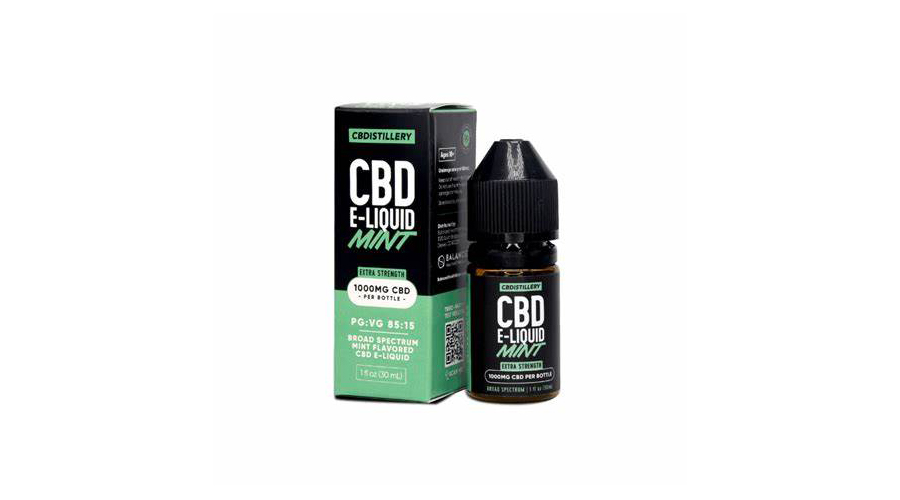
CBDistillery, a Colorado USA company, specializes in high-quality, affordable CBD products. They publish an ‘Ultimate CBD User Guide’ to teach customers about the benefits of CBD from hemp. Some CBD offerings by the company are oils, capsules, gummies, topicals and CBD isolate. They also, of course, put out their own CBD vape juice.
The CBD e-liquid from CBDistillery is VG/PG based, thus mixable with similar vape products. Available flavors are Strawberry Lemonade, Grape, Mango and Mint. The 1-ounce bottle contains 1000mg CBD and essential hemp cannabinoids and oils. What it doesn’t contain is any THC. So, you can get your CBD dose confident that taking this product will not result in a positive drug test.
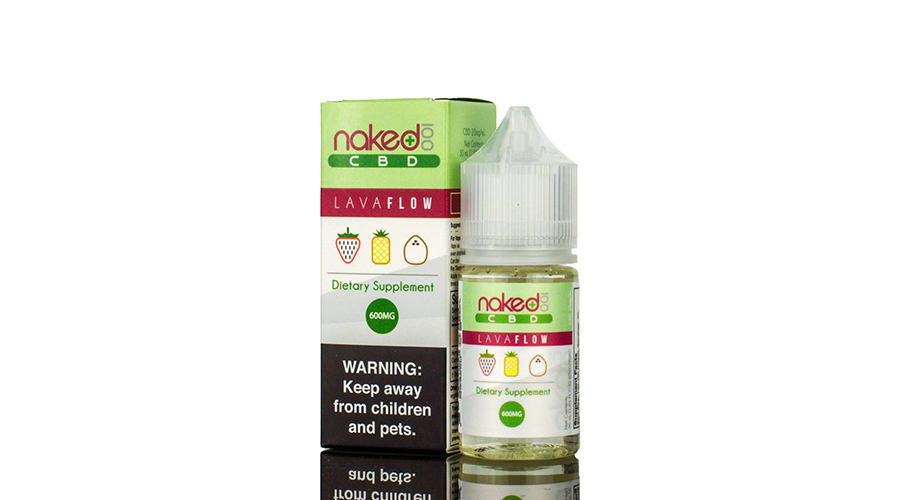
This Southern California company commits to quality in their CBD merchandise. They started out with regular vaping flavors before adding CBD juice to their wares. Naked 100 CBD has plenty of experience crafting flavorful, effective e-liquids.
This CBD vape juice has a 30/70 VG/PG ratio with 600mg total of CBD. There is also a 1200mg concentration of their CBD Juice. The 30mL e-liquid comes in fruit flavors like mango and berry. There are also exotic combinations like Lava Flow and Hawaiian.
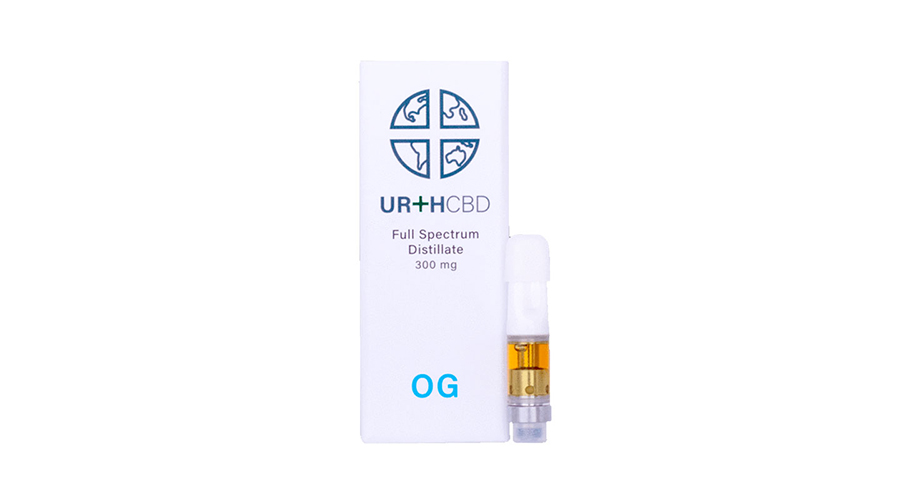
Urth is very particular about the CBD vape juice that they make and market. Thus, they use only CO2 extracted, American made, lab-tested CBD. Neither will they use fillers or MCT oil in their goods, only organic hemp oil. They claim to strive for quality and affordability.
The company makes 30mL premium CBD juice in 3 strengths: 300mg, 500mg, or 1000mg CBD potencies. Their e-liquids consist of blend of natural flavors, a 60/40 VG/PG ratio and CBD from hemp. Blue Raspberry and Strawberry with Melon are the varieties of their CBD vape juice.
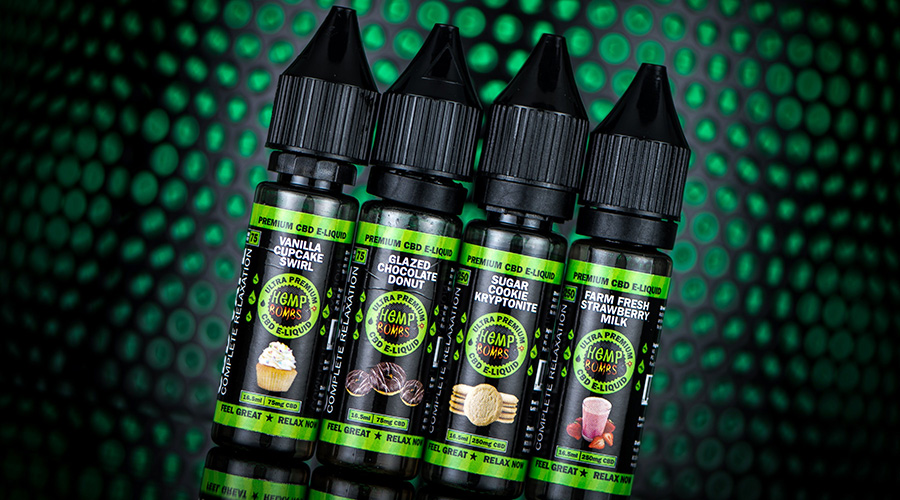
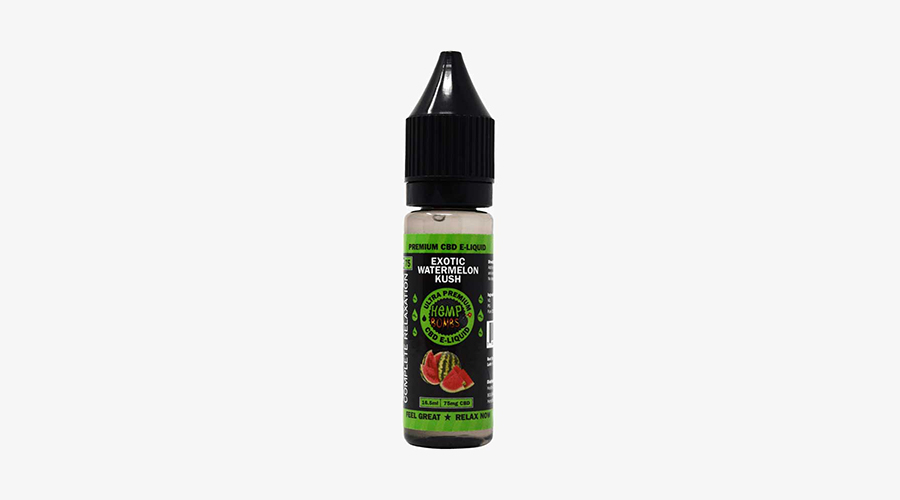
They make their CBD e-liquids with broad spectrum CBD, so you get all the hemp benefits without any THC. Hemp Bombs is very careful about their hemp sourcing and extraction methods. Their goal is to produce a premium CBD juice that is predictably potent.
This Colorado company specializes in all-natural, organic CBD products. In fact, they use only non-GMO industrial hemp to make CBD merchandise. Their offerings include topicals, tinctures, vape pens, and CBD vape juice.
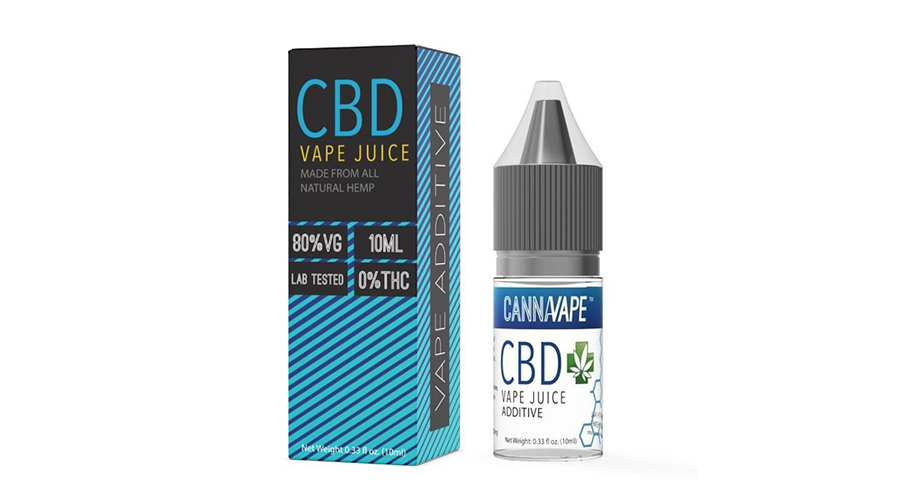
Cannavape’s various e-liquids include this unflavored version created from pure CBD isolate. Using all-natural hemp, this vape juice is completely THC-free. The CBD e-liquid comes in 10mL bottles with 500mg and 1000mg CBD strengths. As with other vape juices, this one works well mixed with others or used straight.
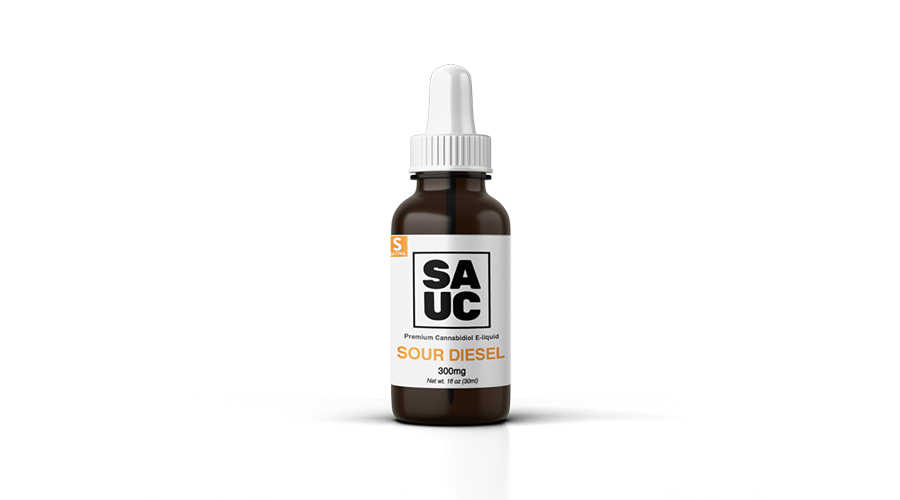
Many users know Sauc for making quality vape pens, pods and CBD e-juice. The company rigorously tests the hemp used in their CBD offerings. Isolating particular hemp plant phenotypes, they hope to improve and purify their genes. This produces higher quality, more effective CBD.
Their premium vape juice is available in three different potencies. There are 150mg, 300mg CBD and 600mg CBD concentrations. All three come in a 30mL bottle. The Sour Diesel, Girl Scout Cookies and Granddaddy Purple juices contain terpenes and CBD, but no THC.
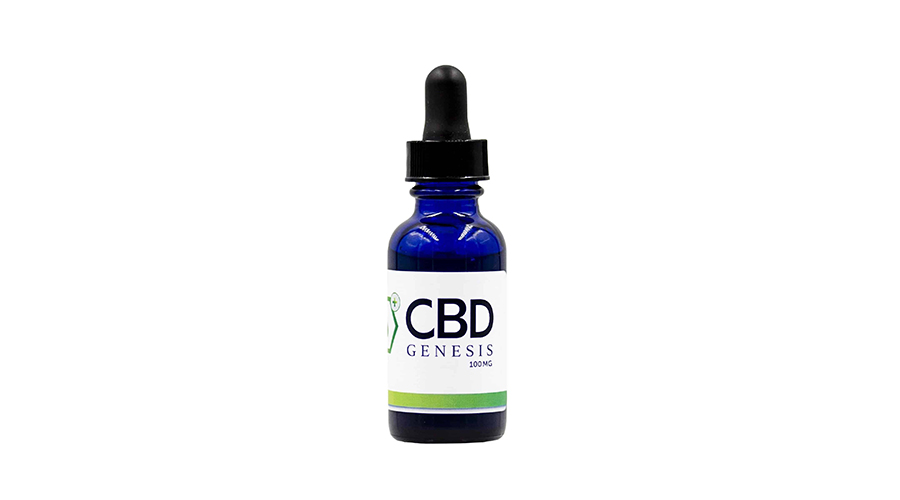
CBD Genesis stands behind the quality of their products. They promise everything they make is organic and non-GMO. They further ensure that it is pesticide and solvent-free. That way you get CBD benefits without any risk.
The company makes and markets some multifaceted CBD vape juice. Users can vape it by itself or add it to another favorite e-liquid. Those who enjoy CBD vape juice can even opt to take it orally. However it’s utilized, it comes in a 30mL bottle with many potencies. You can get their CBD e-liquid in 100mg, 350mg, 1000mg, 1500mg and 2000mg strengths.
Conclusion
A CBD e-liquid review can give buyers information and advice. Ultimately, they must make a decision on what seems to them to be the best e-liquid brands. Or, the best CBD vape juice.
There are some different things to consider. Whether the CBD is isolate, full or broad spectrum will dictate the CBD vape juice effects. Those who want an entourage effect to boost the CBD will likely prefer full spectrum CBD vape juice. But users concerned about THC and who prefer pure CBD, should go with CBD isolate. Broad spectrum is the best of both worlds.
There are many strengths of CBD and it would be wise to consult a medical professional about them. They could assess the best kind and amount of CBD to help a patient with a particular problem.
Learning more about CBD e-liquids is a good idea before using them. Reading CBD juice reviews like this one is a good start.
Can I be totally honest with you? I love CBD flower as much as the next person. But, I’ve got to say — CBG flower is pretty stellar too.
They each have their set of strengths, which is why some people mix their favorite CBG and CBD strains together for a boost in therapeutic effects.
If you haven’t tried CBG flower yet, we’ll tell you all about it in this article.
Ready to get started? Let’s get going.
CBD Flower vs CBG Flower
With such similar acronyms, it can be hard to tell CBD and CBG apart. Plus, they share a lot in common, making the task slightly more difficult.
For instance, both these cannabinoids are commonly found in hemp and they’re both non-intoxicating. Also, they have a good safety profile, few adverse side effects, and they’re well-tolerated by most people.
Yet, there are some notable differences between CBD and CBG. For starters, CBGA, the acid precursor of CBG, is the first cannabinoid produced by the cannabis (hemp) plant. That’s why it has the nickname, “mother of all cannabinoids”.
During the plant’s life cycle CBGA ‘gives birth’ or synthesizes the plant’s other acid precursors: CBDA, THCA, and CBCA. When you expose cannabis to high heat by smoking, vaping, or making cannabutter with CBG flower, the acid precursors convert into CBG, CBD, THC, and CBC. These are acronyms more of us are familiar with.
So, CBG sits above CBD in the hierarchical chemical structure of the cannabis plant. Which means CBG is much more potent during the first 5 to 6 weeks of the hemp plant’s growth cycle. Whereas, CBD is more abundant in the last few weeks of the life cycle. This makes it harder, and therefore more expensive to produce CBG flower compared to CBD flower.
Yet, expert cannabis growers, like Dr. Ganja, know when to harvest the plant to yield high levels of CBG. Also, another strategy they use is to develop genetic strains rich in CBG potency.
Finally, CBD flower and CBG flower differ in terms of their effects. We’re going to cover the effects of CBG flower now, but check out our other blog to learn about different types of CBD flower strains and their effects.
CBG Effects
When you smoke CBG flower, you can feel the effects instantaneously. Vaping or smoking hemp flower reaches the bloodstream quickly, which is why the effects of your CBG strains are instant.
Conversely, if you make cannabutter with your CBG flower and then infuse it in homemade edibles, the CBG effects will have a slower onset compared to smoking. Why is this?
Ingesting a CBG infused cookie, for example, has to bypass your digestive system before you can feel its effects. So, given the time it takes for our bodies to digest food, it can be an hour or two before you feel CBGs effects.
How Does CBG Flower Provide Its Benefits?
CBG benefits the body and mind through its interaction with our endocannabinoid system (ECS). If you’ve read articles about CBD flower or other CBD products then you’ve likely come across this term.
However, CBG has a different impact on the ECS than CBD does. And this is where it gets interesting. The ECS is a biological system responsible for homeostasis, a term that describes internal balance.
Within the ECS there’s a complex network of enzymes, endocannabinoids, and cannabinoid receptors, identified as CB1 and CB2. Wait, there’s that word again — cannabinoid. It’s the scientific name that describes molecules like CBG, CBD, THC, CBN, etc.
When we introduce (phyto)cannabinoids to our body, like CBG flower, the CBG molecule binds with the cannabinoid receptors CB1 and CB2. Binding is another way to say ‘activates’.
So what does this all mean?
Well, this binding action activates the two cannabinoid receptors and is the reason why we feel beneficial and therapeutic effects from CBG products.
Even more, these CB1 and CB2 receptors are primarily located in our central nervous system (brain and spine) and our immune system. Two extremely important systems no doubt. Beyond that, the activation of these receptors improves the health and vitality of our ECS, making its job of keeping us alive much easier!
Where Is CBG Legal?
Like CBD flower, you can also find CBG flower for sale in the United States. It became legal in December 2018 with the passage of the 2018 Farm Bill. To clarify, CBG flower is federally legal as long as it derives from hemp, not from marijuana.
Also, CBG flower must contain less than 0.3% THC to maintain its legal status.
How to Find Amazing CBG Strains
Let me guess. You want to try CBG flower, but you don’t know where to look. Your priority is on quality, finding a brand you can trust, and a CBG strain without impurities or contaminants.
So far, you have a great list going. Although this is a fabulous start, you may want to consider some additional criteria.
Here are some physical indicators to evaluate in CBG strains:
Size and shape of the CBG buds/nugs
Color and overall appearance
Profile of cannabinoids and terpenes in the CBG strain
Amount of trichomes, the frosty crystals that decorate the buds
All these factors matter and when you’re detailed and thorough in your selection process, it increases your chances of finding a knock-out strain.
When you’re shopping online for CBG flower, the pictures can help you evaluate some of the criteria listed above. But, also read the customer reviews, watch some CBG strain reviews on YouTube, and read the lab reports.
The lab reports, called the Certificate of Analysis (COA) will tell you what other cannabinoids and terpenes are in the strain. And if the company pays for a full panel of lab tests, the COA will provide an in-depth analysis on pesticide, heavy metal, mycotoxin, and microbial content.
Dr.Ganja’s CBG flower checks all these boxes. Head over to the page and add some to your cart. Use code “yoga” at checkout to save 5% of your total!
Final Thoughts
We think CBG flower has some wonderful qualities. Its relationship with the ECS is more direct than CBDs relationship, which could be the reason some people prefer CBG flower vs CBD flower.
At Dr. Ganja, we love both these types of hemp flower. So much so, that we cultivate our own CBD and CBG flower strains in-house. All our strains are accompanied by a full panel of lab tests so that our customers only get the best.
Browse our selection of CBD and CBG hemp flower. If you already tried CBG flower, leave a comment below and tell us what you love about it.
Cannabidiol, familiar to many as CBD, has become very popular in recent years. There are hemp and CBD oils advertised and sold seemingly everywhere. Consumers now find CBD sold in health food stores, pharmacies and, of course, online. So, why has CBD become so sought after?
Neither the FDA nor the AMA endorse CBD, but many users swear by its healthful qualities. CBD may have few negative side effects yet offers effective pain relief. Some folks take it as a worry-free depression treatment. Other things that CBD might help with include seizures, anxiety and PTSD. These things are among the reasons for CBD’s growing demand.
Someone who has tried CBD and found it to be helpful might be wondering how they could use CBD daily. It can be confusing because there are so many different options for dosing with CBD. Many consumers are likely aware of CBD vaporizer oil or CBD tincture. Yet, there is also CBD chewing gum, CBD bath salts, CBD soap, CBD cream, CBD wax and even CBD toothpicks!
Here’s a look at some ways to take CBD every day.
6 Unusual Ways to Take CBD Daily
CBD works well by smoking, swallowing or spreading it on skin. CBD oil, capsules and vaporizers are among the most widely used methods of taking CBD.
The method of consuming CBD is often dictated by the reason for using it. Creams and ointments work well for localized muscle pain. Edible CBD, once digested, can spread throughout the body for overall effect. Vaping CBD wax works much the same way.
There are countless varieties of CBD products. They all have their pluses and minuses. Looking at a few different CBD-enhanced items, should show how CBD users take it every day. There are some convenient ways to dose CBD daily that are outside of the mainstream.
Some people find relaxing in a warm tub of water a soothing way to ease the aches and pains away. After a long day, a CBD bath bomb can help users to unwind and feel better. Most bath bombs contain essential oils for aromatherapy as well as skin nourishers. CBD bath bombs also contain cannabidiol to remedy muscle stiffness and any inflammation. CBD bath bombs are easy to use, by dropping them into the water after filling the tub. With fizzing action, they dissolve CBD quickly into the water. Then all someone has to do is climb in and chill.
CBD bath salts can also reduce muscle soreness and remove dead skin. The only difference in using them is that the user adds CBD bath salts while the water is still running. This helps the CBD bath salts to dissolve better. After that, the bather climbs into the tub and relaxes.
Both CBD bath bombs and CBD bath salts are safe and easy to use. For CBD relief, all that someone requires is a tub of water and time to soak.
2) CBD Soap
Like regular soaps, CBD soap contains ingredients to cleanse and even soften the skin. These soaps also contain CBD to soothe skin irritation and soak in for muscle pain relief. Other claims about CBD soap include antioxidant, de-aging and hydrating properties. CBD soap, like CBD bath bombs and CBD bath salts, may be best used for general body comfort and relaxation.
Using CBD soap is easy; add a little water, lather, and rub the wet soap on the skin. What could be simpler?
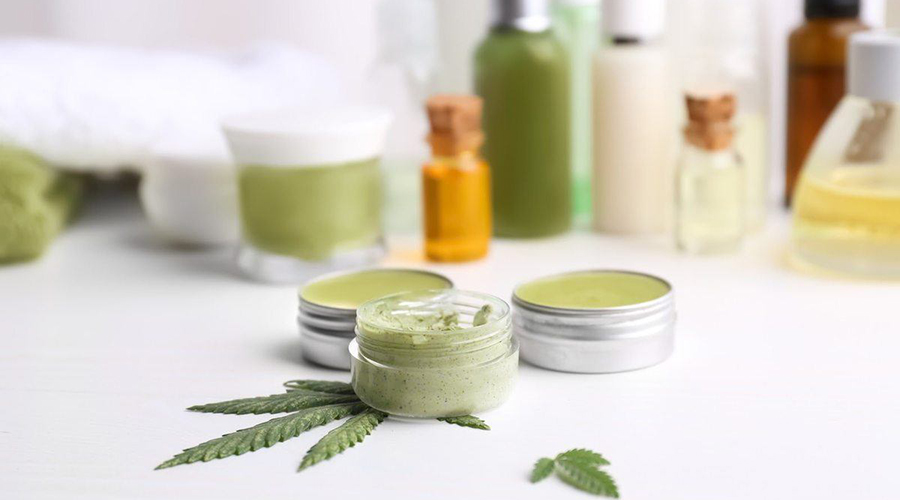
CBD creams are typical CBD skincare products. Because skin absorbs well, it makes a good place to apply CBD. People use creams to moisturize or soothe their skin. Adding CBD to a skin cream can add pain and irritation relief. CBD topical creams might also benefit acne, eczema, and other skin conditions.
For specific areas of hurt, apply CBD cream to any body part, on the source of pain. And CBD cream works faster than some other methods. Taking a CBD capsule means waiting for digestion. Yet using CBD skin cream produces effects within minutes. Users can apply CBD cream as needed. That makes CBD creams easy to take every day and use throughout the day.
4) CBD Toothpicks
This one may seem a bit odd, but CBD toothpicks are an example of oral CBD use. If someone chews on a CBD toothpick, that releases cannabidiol into the gums and mouth. This allows for immediate absorption into the bloodstream through mouth tissues. Via the bloodstream, CBD effects get distributed throughout the body.
So, CBD toothpicks could treat anything from a headache to a stomachache, or even foot pain.
CBD toothpicks are small enough to carry in purse or pocketbook for use on the go. Because of their convenience, they are useful anywhere and anytime. That makes CBD toothpicks ideal for daily use.
CBD chewing gum works much like CBD toothpicks. Chewing releases CBD, which goes through mouth tissues right into the bloodstream. Once in the blood, CBD disperses throughout the body. So, wherever there is pain or inflammation, the CBD from the gum will reach it.
CBD chewing gum is portable and discreet. No one thinks anything of somebody chewing on a stick of gum. Many people chew gum. Chewing CBD gum daily might be a good way to get a dose.
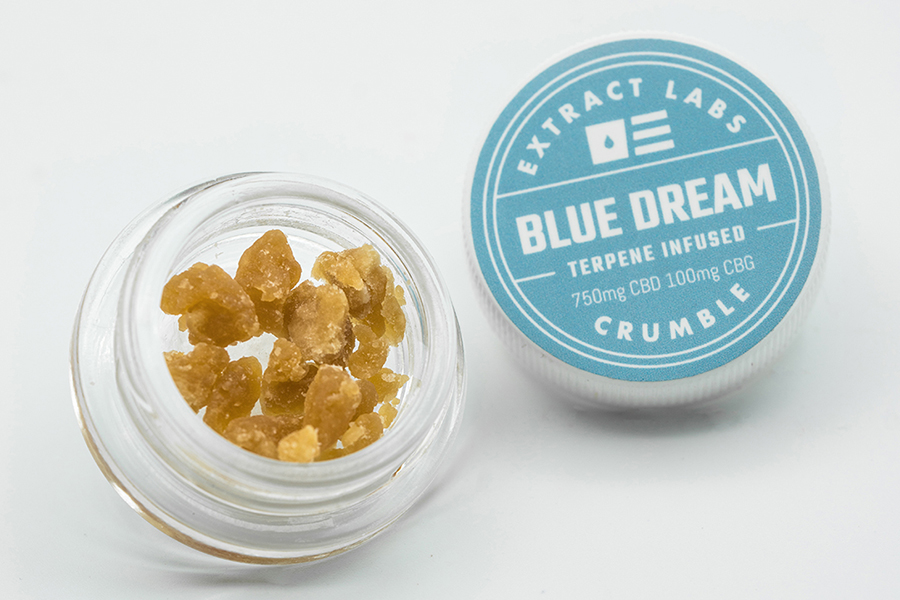
CBD wax can be shatter, budder, crumble or resin. Each of them is a concentrated form of CBD. The most common way to use CBD wax is vaporizing or dabbing it. Inhaling CBD produces fast effects, usually within minutes. Quick results and strong effects are what make CBD wax a popular alternative.
Dab rigs or vaporizers range from big glass sets to smaller pens, so there are a variety of options for using CBD wax. It is possible to use CBD wax daily, but the vapor clouds users exhale are rather obvious. CBD wax and vaping may not be ideal if discretion is important.
Conclusion
The above methods are only a few ways to get yourself a daily dose of CBD. CBD chewing gum, CBD bath salts, CBD soap, CBD cream, CBD wax and even CBD toothpicks aren’t the only options. There’s also CBD oil, CBD capsules, preloaded CBD vapes, CBD tincture and more. However it’s done, dosing with CBD daily may provide relief from pain, inflammation, stress, and anxiety. There are many other concerning conditions that cannabidiol might treat.
It is advisable to get a doctor’s input before taking any regular medication. That said, countless users count on their daily dose of CBD as part of their regular routine. Anyone can take it daily, because the negative side effects seem to be minimal, if any. The way someone takes it is up to them and may depend on what they are taking it for. Sometimes trial and error show which method works best for particular issues. Those reading this blog now have at least a few options to consider.
Before choosing a CBD product, think about the way you want to consume it. Are you more interested in eating an edible, smoking a vape pen, taking CBD oil, or applying a topical cream?
Besides this question, another important one to ask is “what does CBD feel like?” The answer to this second question lies in the consumption method chosen. This article will explore each way to consume CBD and the effects that come along with it.
The Reason Why You Feel Effects of CBD
By supplementing with CBD, you may experience a host of therapeutic benefits. Some of these benefits can be felt within the physical body, while others may be felt on a mental or psychological level. But how is this possible? Well, the answer requires a scientific explanation.
You see, we have an endocannabinoid system or ECS for short. The main role of this system is to maintain homeostasis or internal balance.
Although recently discovered in the early 1990s, scientists found that Cannabidiol indirectly interacts with the CB1 and CB2 receptors that make up this system. These receptors primarily live in the immune system, brain, central and peripheral nervous systems.
For this reason, the effects of CBD can impact bodily functions like appetite, mood, memory, movement, and sleep.
What Does CBD Feel Like?
Now that you know how CBD works in the body, let’s talk about how it makes you feel. But, before we do that, it’s important to note that CBD will not make you high. Its chemical structure proves that CBD is a non-psychoactive cannabinoid.
Although you won’t get high consuming CBD, the effects of CBD can vary depending on the method of consumption. For instance, some of the most common delivery methods include sublingual, inhalation, ingestion, and topical application. In this next section, we’re going to help answer the question “how does CBD oil make you feel?”
Sublingual: Under the Tongue
When you buy CBD oil, one of the best ways to take it is by placing a few drops under your tongue. Ideally, you would hold the CBD oil under your tongue for 45 to 60 seconds for maximum results.
The CBD oil gets absorbed by the mucous membrane and allows the contents to enter the bloodstream faster. This also means that you’ll feel the effects faster.
Furthermore, by taking CBD oil this way, you can improve the rate of absorption. In fact, studies show that the bioavailability of CBD oil, when taken sublingually, is between 19 to 35 percent.
As far as the effects of CBD oil are concerned, people report various results when using it. Some people find that they experience an increase in relaxation, while others notice a decrease in their discomfort. Also, users reflect on how calm they feel and notice a reduction in their anxiety levels.
For others, the effects may not be very noticeable, yet they still get relief from their ailments. Even when effects are subtle change is still taking place in the background via the ECS. Balance is being restored, inflammation may be decreasing, and thereby helping the body and mind come back into harmony.
Inhalation: Vaping or Smoking
If you choose to vape or smoke with CBD, you’ll likely feel the effects within minutes. Plus, the absorption rate is higher than any other method out there. You could potentially reap up to 56 percent of the benefits of CBD through inhalation.
When you smoke CBD flower, it enters your lungs immediately, and quickly reaches the bloodstream. For this reason, vaping CBD provides the fastest onset of CBD effects.
People who choose to vape often select this method because of its speedy effects. Users also enjoy feeling the relief of stress, a reduction in pain levels, and having a clearer, less busy mind. Others may smoke CBD to help them fall asleep easier.
Ingestion: Edibles & Capsules
Those who choose to ingest CBD, such as gummies or capsules, generally do so because of the precise dosage and long-lasting effects. The reason why the effects of CBD edibles last longer than CBD oil and CBD flower is due to the ‘first-pass effect.’
Let’s explore this concept in more detail.
When you ingest a CBD gummy for instance, it must pass through the digestive tract. Its first stop is the liver. The liver metabolizes CBD and in a sense ‘cleanses’ it before being passed through the bloodstream.
Once it reaches the bloodstream, the CBD effects are circulated throughout the entire body. But this can take some time — up to 1 or 2 hours!
However, once the effects kick in they can last for several hours, much longer than smoking or consuming CBD sublingually.
Typical effects of CBD edibles are similar to those felt by CBD oil. Consumers report more energy, clear-headedness, and inner calm. They also have an easier time falling asleep, especially when the product is combined with other beneficial herbs and plant extracts.
Topical: Creams & Salves
A topical CBD is meant for a very specific audience. People with muscle pain and soreness, dry skin, skin rashes, or bodily aches could potentially reduce these conditions by using a topical application.
Although a CBD salve or lotion has the lowest bioavailability compared to the other forms, it targets a specific area. In other words, it takes a very localized approach to enhancing your well-being. People who use CBD topicals often notice an improvement in muscle recovery, and it helps to soothe dry itchy skin and increase joint mobility.
Several Variables to Consider
We want to share another critical point with you about the effects of CBD. Certain factors will contribute to your individual experience with CBD. A few of these factors include your body weight, your dosage, the frequency of dosing, and the severity of the health issue you’re working to address.
If you’re not feeling the effects you desire, it could come down to one of these factors. And in this case, it’s best to consult with a professional for more specific advice regarding your individual situation.
In Summary
When we go back to our original question, “how does CBD make you feel”, we see that the majority of the effects are positive, which is why people use CBD in the first place.
Although CBD effects can vary based on the consumption method, there’s one major commonality between all the delivery methods — and that is a relief.
With our new 2019 batches in, we’re honoring our tradition of giving you the details and reviews on the latest and greatest strains here at Dr.Ganja. It seems a fitting time too, what with all the “what’s a good strain for this…” or “how’s this different from that?” questions we get so often. However, we’re going in reverse order here and reviewing our newest member to the 2019 family: Hawaiian Haze Series II!
What’s Hawaiian Haze?
For the uninitiated, Hawaiian Haze Series II is a strain that is the offspring of DC Haze, which are both the eventual result and progeny of the famous Haze strains that started way back in the 60s-70s in Santa Cruz, California. The name supposedly comes from the name of the breeders that began to cultivate this particular strain (Haze, not Hawaiian haze) and which formed and forms the backbone of a great majority of the available sativas today.
Hawaiian Haze, just like its parents, is a flower that is known to take some time to grow, so not only must growers be patient for their crop, but they must be experienced too. So why raise a strain that takes a long time to flower and optimally needs experienced growers when there’s plenty of cultivars out there that don’t have such standards? Because the growers know that with great patience, comes great reward.
It’s true, our original Hawaiian Haze available on Dr.Ganja is one of the most high-yielding CBD oil and cannabidiol-rich strains we carry, coming in at nearly 22% CBDA. So what does the Series II do differently to match an already stellar plant?
It’s all in the effects. But let’s not get ahead of ourselves, we should talk about each of this particular batch of Haze’s unique characteristics in their own right and in their proper order from viewing to consuming.
Appearance
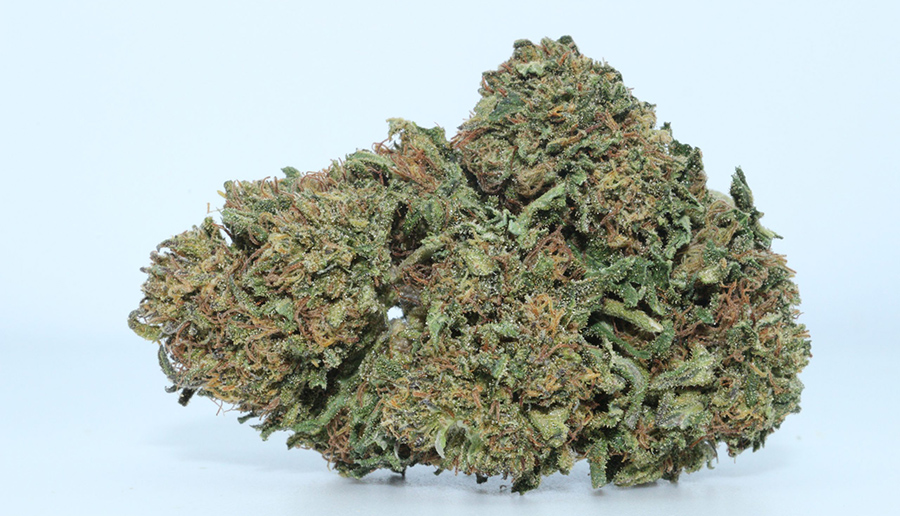
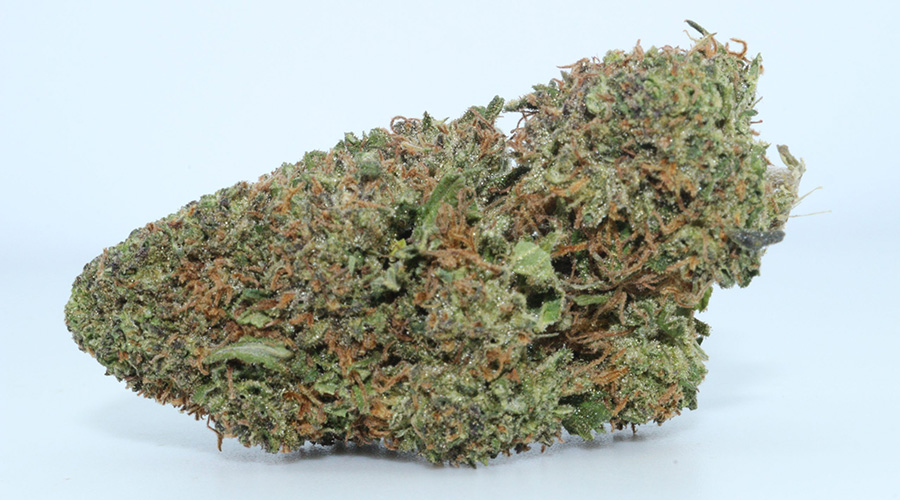
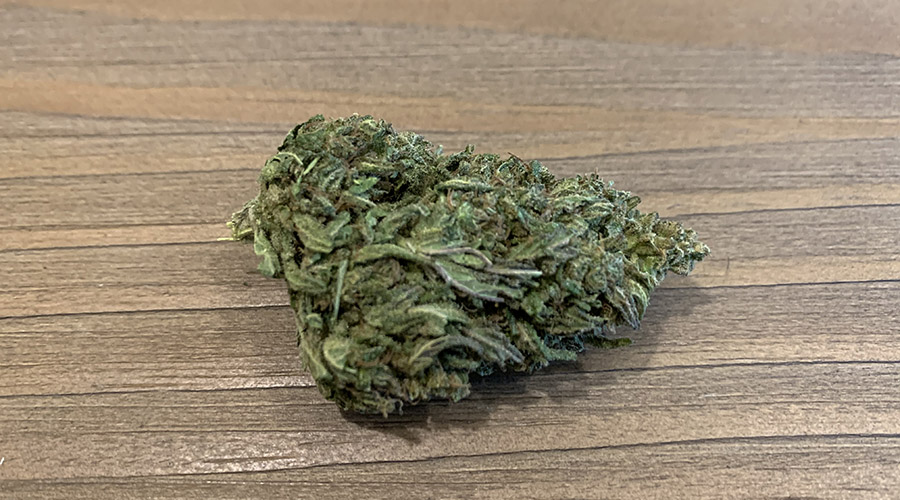
Opening up the double-wrapped (triple-wrapped really, if you count the shipping container) bagyields the first sight of her, mostly medium to large-sized nugs that have that overall “furry” look that is characteristic of good growth, these are the trichromes on the plant that manufacture the various cannabinoids that people know and love. There’s both stocky and short leaves, which are typical of indicas, and wispy, longer ones which are typical of sativas, hinting at Hawaiian’s potentially hybrid genetics.
Smell
When you first open up the mylar bags the initial smell that hits you is of gasoline. From the smell alone you can assume this is going to be strong. And it is.
Effects
Grinding it up, the aroma that comes through is almost overpowering. I roll about a 1/4g short and stout joint and light her up. The smell is very present, so users beware. I’m not getting much taste out of Series II but then again, I’m combusting and not vaporizing so I can’t expect much and to be honest, it doesn’t matter. In about five minutes, I’m seated comfortably and I couldn’t be happier.
Another five minutes and scratch that, my stomach is grumbling. However, I just put on some music and like many of the good strains we carry on the site, music is accentuated and almost feels… better. I come to the realization that I can pick out specific parts in songs easier. There’s accompanying guitar chords that I had never paid attention to in one of my favorite songs. Weird.
HH II is definitely a “creeper”, or a strain whose effect slowly washes over you until you suddenly recognize ‘oh yeah, I feel different.’ Luckily, Hawaiian’s creep is gentle and happy. I am more aware of the tension I’m holding in my upper back, but the feeling isn’t bothersome, just a more of an “I’m here, so be more careful” type of thing.
Ten minutes later and the idea to cook some Korean food hits me and I decide this will be a test of my current functionality. Can I successfully cook in this state?
Thirty minutes later and the answer is yes, but I don’t know whether if it’s from the threat of my stomach grumbling or otherwise. The food tastes like I’m trying food for the first time and it’s glorious. It seems at this dosage to be more on the sativa-side than indica and I’m officially a fan of Series II.
Consuming More
I want to see how Series II changes if you go a little overboard, or at least, what overboard is to me (it’s still pretty tame, I’m not looking to blast off into another dimension). About two hours has elapsed since I first smoked and now I finish off an additional ½g joint. Maybe it’s just how it effects me personally, but Hawaiian is really, really strong.
Looking at the cannabinoid profiles, they are definitely respectable numbers but nothing stands out as extremely high that can account for this feeling, so it must be the terpenes or the interplay between them and the cannabinoids. With smoking this amount the pleasant feelings are all there but there’s a slight heaviness to my eyes and I feel like I could go for a nap.
So, at least for me, it goes like this: use a little to get things done, use a lot for bed. I couldn’t ask for more in one little plant.
Use coupon code Relax good for some savings for your next order!
Living with fibromyalgia is literally a pain; however using CBD might help those who suffer from this disease. Fibromyalgia syndrome involves severe chronic muscle pain, fatigue, and sleep problems. Sufferers experience painful tender areas or zones, which medical professionals treat through lifestyle changes, stress management therapies and various medications.
One medication recently being considered by some for fibromyalgia is cannabidiol, or CBD. CBD cannot cure fibromyalgia but there is some testimonial evidence that it can alleviate the symptoms. Currently, the only chronic medical condition that the FDA endorses CBD for is epilepsy. But that doesn’t necessarily mean that CBD can’t help sufferers of this painful condition.
While CBD isn’t a miracle cure, it can potentially work beneficially with other medications and therapies. It is always a good idea to discuss using cannabidiol for any reason or condition with your medical care professional. If they are aware of your usage, your treatment providers can advise you properly. Some doctors are perfectly fine with CBD use, while others are skeptics. There may be some concern about CBD interfering with prescribed medications or adding to side effects like drowsiness. The more your physician and their medical staff know about what you take, the better they can manage your care.
Let’s take a look at what fibromyalgia is and how it is traditionally treated. Then we’ll discuss how CBD might work to manage your symptoms. Briefly, we’ll give you an overview of how to take or dose yourself with CBD. We’ve added emphasis on CBD oil, the most common intake method. Finally, we’ll look at a selection of CBD oils that may best help the physical and mental discomforts of fibromyalgia.
We cannot diagnose nor promise to cure or alleviate your symptoms. The information presented here is for your consideration only. We again strongly advise discussing it with your treatment specialist before you begin taking CBD in any form.
What is Fibromyalgia?
Skeptics sometimes tend to characterize fibromyalgia as being ‘all in the patient’s head’. While there is definitely a psychological component to the disease, for sufferers it is very real and very debilitating. Current research seems to indicate that fibromyalgia changes the way that the brain interprets pain, increasing the level of sensation. Thus, even a gentle touch to the skin might register as very painful. Actual painful incidents like a cut or bruise can generate off-the-scale pain sensations.
Physical injuries, surgical procedures, infection or some kind of psychological stress event often precede the beginning of symptoms. Frustratingly, the symptoms can also sometimes slowly increase over time without there being a discernible cause. The disease tends to target women more than men. Middle-aged people are more susceptible, apparently, than adolescents or the elderly. Related conditions can include headaches, jaw pain (TMJ – temporomandibular joint pain), irritable bowel syndrome (IBS), or anxiety and depression. While there is no recognized cure for fibromyalgia, care providers often prescribe medications and relaxation therapies with mixed results.
Potentially, one supplement to other medications and treatment programs may be cannabidiol. CBD’s role in possible treatment we will discuss in detail after a little more information about the disease itself.
Symptoms and Diagnosis
Those who suffer from fibromyalgia often experience systemic muscular and skeletal pain. Patients feel abnormal bodily pain along with chronic tiredness, trouble sleeping well, memory loss and emotional swings. Pain and discomfort from fibromyalgia waxes and wanes, sometimes changing affected areas of your body. And with this chronic illness, patients are particularly susceptible to fatigue stemming from sleep problems.
Diagnosing this particular pain problem involves assessing all the patient’s relevant symptoms. Some feel that doctors need to take a closer look at an overall pattern of ongoing discomfort. Patient advocates worry that relying on a quantity of tender places during an examination may not be sufficient to diagnose. Without proper diagnosis, it is obviously hard to determine and then treat fibromyalgia.
There is a lack of specific testing to detect the onset of this disease. Currently, lab tests and X-rays can screen for other similar chronic pain issues. Diagnosis thus involves a process of elimination to determine whether systemic pain indeed indicates fibromyalgia.
There is a lot that is unknown about this disease, but there are a few things that are becoming clearer. While fibromyalgia is not thought to be an autoimmune or inflammatory condition, findings do suggest the nervous system figures centrally. Those with rheumatoid arthritis issues that affect the joints, muscles and bones may be at higher risk of contracting fibromyalgia. Conditions that have been shown to precede this disease include osteoarthritis, lupus, rheumatoid arthritis, or ankylosing spondylitis. But it should be noted that research is ongoing.
Traditional Medications and Treatments
Although CBD isn’t yet officially endorsed as a treatment for fibromyalgia, there are some more tried and traditional methods. Medical specialists combine different medicines and therapies to deal with the disease’s associated pain, depression, poor concentration, headaches, and fatigue. The goal of these treatments is to ease and manage symptoms, thereby hopefully improving quality of life.
NSAID pain relievers like aspirin and ibuprofen are usually the first line of defense to manage suffering. Taking these over-the-counter pain remedies do help some patients to lessen muscular aches. They also seem to help reduce inflammation and somewhat improve the quality of sleep. NSAIDs, though, can be hard on the stomach lining – a possible drawback.
Also, some anticonvulsants like Lyrica now have approval by the FDA for potential pain reduction. However, these prescription drugs may unfortunately have potential side effects such as dizziness, weight gain and swelling. Though some CBD users have reported dizziness, it’s unusual – so this may be a reason to try cannabidiol over anticonvulsants.
Sometimes care specialists prescribe antidepressants to treat fibromyalgia symptoms. Dealing not only with the psychological issues stemming from this chronic disease, antidepressants can alleviate pain as well. By boosting levels of chemicals like serotonin and norepinephrine, antidepressants can help to control pain. Psychological dependency is a risk in using this type of medication. This may be another area where CBD could be used in conjunction or instead, which we will cover shortly.
Aside from prescription drugs, physical therapy is another commonly used treatment for chronic discomfort conditions like fibromyalgia. Physical activity like exercise proves to be beneficial for people with stiffness and soreness. Aerobic activity and strength training release natural endorphins and may reduce fatigue, as well as boost confidence.
There are, of course, other medications and therapies used to treat fibromyalgia. We wanted to give you an overview of some of the most common. Doctors and scientists develop new treatments and regimens continually to aid fibromyalgia patients. CBD is one such potential symptom remedy that has been considered for those who suffer from this debilitating condition.
CBD – How it Works and How to Use It
Before we get too deeply into how cannabidiol might work on fibromyalgia symptoms, let’s take a quick look at CBD. If you’re reading this, you may already have a pretty good idea of what CBD might do for you. If not, then we’ll explain.
So, just what is CBD and how does it work? CBD is a cannabinoid found in both hemp and marijuana plants. Everyone has an endocannabinoid system (ECS) in their body that produces and then utilizes endocannabinoids. Phytocannabinoids from cannabis plants work just as well as natural cannabinoids insofar as the ECS response goes. The endocannabinoid system helps to regulate important functions like sleep, your immune-system, and pain responses. While some cannabinoids — most famously tetrahydrocannabinol (THC) — cause a euphoric psychoactive effect, CBD does not make you feel high.
CBD does not interact with the same ECSreceptors as THC, so there is no getting stoned. Actually, CBD either activates or inhibits other compounds in the endocannabinoid system. When it comes to pain regulation, CBD blocks the absorption of anandamide, which then reduces the sensation of pain. THC in your body triggers the brain’s endocannabinoid receptors, which signal the brain to produce the pleasure chemical dopamine. Thus, CBD dulls discomfort while THC increases pleasure, which produces the feeling of being high.
CBD is general ingested orally, applied topically or inhaled. Each of these methods can have benefits for users with fibromyalgia. However, the different ways you can take CBD also have their own drawbacks. For instance, CBD edibles produce long-lasting effects but can take from between half-an-hour to 2 hours to kick in. The effects of edibles, or medibles, can also depend on what else you eat and your physiology. Smoking a CBD joint or leaf does produce far faster effects, but not everyone tolerates smoking. Applying a topical CBD-laced cream is a good way to target specific areas of pain. But the benefits can take a while to kick in. Taking CBD oil drops sublingually, or under your tongue, can give fairly quick results and is a popular dosing choice.
Many users of cannabidiol employ a variety of methods to take their medicine. There’s no real danger of overdosing on CBD, so using multiple means at once carries little adverse risk. That’s not to say there are no negative side effects to taking CBD. Some reports indicate users experiencing dry mouth, lowered blood pressure, light-headedness, and drowsiness. Thus, it is again advised that you consult your physician before taking CBD long-term. Otherwise, trial-and-error is really the only way to know how it will affect someone.
One other important consideration when selecting CBD products would be whether they are full spectrum, broad spectrum or CBD isolate. Full spectrum basically means the CBD extract has all of the other compounds from the hemp plant. These include terpenes, essential oils, and other cannabinoids. Full spectrum does contain trace amounts of THC, but the law limits THC content to .03% for CBD products. Broad spectrum CBD has been extracted from hemp with all of the other compounds intact – except for THC. And isolate is CBD only, distilled from hemp.
Dosing with CBD
How do you figure out how much cannabidiol to consume? You should first consider your body weight, age, and what reason you are taking it for. Other important factors can include your own metabolism and the CBD concentration in each capsule, oil drop, cream or edible. After that, the method of consumption should be considered.
Determining the best dose of CBD for you is going to depend on a variety of factors. Whether it is full spectrum, broad spectrum or isolate would be one consideration. With full and broad spectrums there is less actual CBD than with pure CBD isolate. The other side of that equation is that you get an entourage effect from the other cannabinoids and terpenes. That means they can boost the CBD’s benefits. That said, another factor to think about is how you are dosing – topically, orally or by smoking.
Dosing By Type
* Inhaling CBD – Whether smoking or vaping, you’re going to want to know how much CBD you’re getting. A typical CBD hemp preroll ranges from 1 to 2 grams in size. The number of milligrams of CBD per joint varies, but between 25 and 50mg is pretty standard. So, if you smoke half divide the total milligrams by two. If you smoke a quarter divide by four, and so forth.
Oil cartridges or disposable vaporizer pens offer around 100 puffs and come in assorted potencies. If you have 200 milligrams in a one milliliter tank, then you’ll likely draw 2 milligrams of CBD per puff. It’s important to start slowly, with about 5 – 10 milligrams per vaping session. You can then up the dose by 5mg increments if you tolerate it well.
* Absorbing CBD Through Your Skin – Dermal patches and creams also come in strengths ranging from 50mg to 1500mg or more. It’s harder to dose with topicals. A good rule of thumb is to use creams and lotions sparingly and patches for brief periods at first.
* Ingesting CBD –Edible CBD treats are another way to intake CBD. While edible CBD effects take longer because they have to pass through your digestive system, the benefits last longer. Usually, edibles kick in within one hour of eating. And then the effects can last for up to six hours, depending on the potency.
Manufactured edibles – not homemade –likely have the dosage listed on the packaging. You just have to divide that by the number of pieces you consume. For example, CBD gummies range in strength from 5mg to 100mg. You can micro dose edibles – take them in smaller concentrations – by breaking larger pieces apart.
The other way to intake CBD orally is with drops of CBD oil. Oil drops are an extremely popular way to take CBD. Drops taken under your tongue will take effect within 15 minutes or so. Typical droppers hold 1ml of CBD oil, with about 20 drops per ml. The number of drops or droppers-full of CBD in each bottle will depend on the size of the bottle.
The exact amount of CBD oil to take will vary according to your needs and physiology. However, there are some general guidelines to follow:
Pain Level
Weight: 85 – 150 lbs
Weight: 150 – 240 lbs
Weight: 0ver 240 lbs
Mild
12mg
18mg
22mg
Moderate
15mg
22mg
30mg
Severe
18mg
27mg
45mg
CBD capsules are just CBD oil or tincture encased in a gelatin shell. They cannot be used sublingually unless you cut them open. The take-effect timing is similar to edibles as they will need to pass through your digestive system. The nice thing about CBD oil capsules is that they come in premeasured amounts. You can get them from as low as 5mgon up to 30mg or more.
Again, you really should consult your fibromyalgia treatment specialist and follow their exact guidelines for dosing with CBD.
CBD and Fibromyalgia
Now you should have some idea about what CBD is, does and how to use it. So, let’s look at how it may be able to help with fibromyalgia symptoms.
Sometimes the traditional methods and treatments used for fibromyalgia sufferers don’t work. Or, they are inadequate to fully deal with the pain and depression. That’s where cannabidiol just might come in. Some people believe that CBD is very effective in dealing with pain, inflammation, depression and sleep problems. Since these are all symptoms associated with fibromyalgia, it would seem that CBD is ideal for treating this disease. However, at this time, most doctors look upon it as an alternative medicine and not a mainstream treatment.
Still, there are some physicians and healthcare providers open to using alternative methods for treating chronically painful conditions like fibromyalgia. This blog article presented information to you so that you can discuss possible CBD use with your treatment specialist. That way, you can work together to make informed decisions about whether treating your fibromyalgia issues with CBD is sensible.
The Best CBD Oils to Take to Treat Fibromyalgia Symptoms
When it comes to fibromyalgia symptom management, CBD oil is fairly easy to take and promises quick results. Let’s take a look at some of the brands that might be best for treating fibromyalgia’s physical and mental symptoms. If you and your doctor decide to go that route, these may be brands you will want to consider. None of the health claims are guarantees, but the following CBD oils could be therapeutic.
Endoca’s hemp oil contains a healthy dose of omegas, vitamins and minerals as well as the cannabinoids CBD and CBDA. CBDA is closely related to CBD, being the form CBD has before heating or decarbing it. Some studies show that CBDA itself displays promise as an anticonvulsant, anti-nausea, analgesic and anti-inflammatory. Further, CBDA may also have antibacterial, antioxidant and cancer-preventing properties. Thus, using it should benefit fibromyalgia patients. This Endoca hemp oil contains a 1500mg blend of CBD and CBDA in each bottle.
If you want powerful CBD oil that delivers 100mg of CBD per serving, then this is the stuff for you. Not only are cbdMD’s 3000mg CBD Oil Tincture Drops fully organic, but there are a number of other positives. The source hemp used to make the CBD is grown and processed in the United States, non-GMO, gluten-free, and vegan. If your fibromyalgia causes you a lot of discomfort, then CBD oil drops this strong are worth considering.
They don’t come much more potent when it comes to CBD Oil products than CBDistillery’s 99% pure CBD isolate tincture. This tincture contains zero THC; so, no buzz, just CBD relief. The small 1oz. bottle is supercharged with 5000mg CBD total. What’s more, the source hemp is certifiably non-GMO, U.S. grown hemp grown with sustainable and natural farming methods. High quality, high potency CBD oil like this seems ideal for those with severe fibromyalgia pain.
Another good non-GMO, organic oil, Medterra’s CBD tincture offers 100mg of CBD per full dropper. That’s 5mg per single drop. The tincture is thoroughly third-party tested to ensure it contains zero THC, as well as verified in quality and purity. Not only is this a safe and potentially effective treatment for fibromyalgia patients, but the price is affordable.
This high potency,full spectrum hemp product contains a spectrum of cannabinoids that can boost the CBD’s purported healing powers. Lazarus Naturals’ oil is vegan and gluten-free with no artificial flavors, preservatives or sweeteners. Every 1ml dropperful contains 50mg of CBD. Users can pick up a 15ml bottle with 750mg of CBD, or a 60ml bottle with 3000mg CBD. That gives fibromyalgia patients some options to choose from.
It doesn’t have the heaviest CBD concentration, but Bluebird Botanicals Hemp Complete CBD Oil contains a high-terpene blend of hemp extracts. That makes this product optimal for those who may have milder fibromyalgia symptoms. This is a steam-distilled hemp extract oil which means that it has pre-decarbed cannabinoids – including CBD-A. The hemp oil is available in 1/3oz with 83.3mg CBD and 1oz with 250mg CBD.
NuLeaf Naturals full spectrum CBD oil provides 725mg of pure CBD in a 15ml bottle. The company distills their CBD using a CO2 extraction process. Made with completely organic ingredients, this high-grade hemp oil is lab tested to ensure quality. The concentration of CBD in this particular supplement makes it a good choice for those with moderate-to-severe fibromyalgia pain.
Being an isolate, Infinite 5000mg CBD drops should be strong medicine for fibromyalgia pain and depression. At 30ml that boils down to 8.5mg of CBD per drop, which is pretty powerful pain relief. This CBD isolate adds coconut oil which boosts the effects of the cannabinoid. This extremely potent oil is highly concentrated at 99% pure hemp-derived CBD and an excellent value for your money.
Extract Labs offers fibromyalgia patients a potent, full spectrum CBD tincture at a low price. The 30ml bottle contains 1000mg of CO2-extracted full spectrum hemp oil with added coconut oil. As we noted above, coconut oil boosts the benefits of the CBD. This particular full spectrum tincture is made from American grown, CO2-extracted hemp. Severe sufferers of fibromyalgia could benefit from this concentration of CBD.
This is another less expensive but still potent CBD oil option for users with fibromyalgia. The Hemp Barn makes their tincture with 99% pure USA-grown and extracted CBD isolate, with organic MCT oil for enhancement. They 3rd party test their oils so that users can have complete confidence in their products. At 2000mg, this extract should be strong enough to target even the most powerful fibromyalgia pain.
Conclusions
Cannabidiol won’t cure fibromyalgia, currently nothing can do that, but it can maybe make symptoms easier to deal with. There is much that isn’t fully understood about this chronic pain condition, including its exact causes. Although symptoms aren’t visible to others, to those debilitated by this disease it is all too real. Traditional treatments include pain medications and physical therapy – and that’s where CBD for fibromyalgia comes in. Although not officially sanctioned by the FDA, some swear by CBD to help combat the widespread pain, sleeplessness, fatigue and depression. These things may accompany the disease, but CBD could lessen them considerably.
There are many ways for fibromyalgia patients to use CBD. Dosing methods include vaping, eating in edibles, using topical creams, but the most popular is treating fibromyalgia with CBD oil. We’ve included some what we think are the best CBD oils for fibromyalgia. However, there are a lot of factors to consider. Straight CBD isolate may work for some folks, while others may prefer the effects boosting full or broad spectrum varieties. What’s clear is that CBD oil is generally easy to dose and use on a regular basis.
There are few side effects to using CBD. There are those who believe that it may add benefit to NSAID pain relievers and other traditional treatments for fibromyalgia. When something can help and not hinder then that often makes it worth trying. This guide attempts to give some background and guidelines for using CBD to alleviate the suffering of users with fibromyalgia. Ultimately, whether to use CBD and how is something for a patient and their doctor to decide.
Unless a CBD product is approved by the FDA as a drug, no one can claim that CBD cures, treats, or prevents any kind of disease. Yet, that doesn’t mean this special cannabinoid doesn’t have therapeutic value. Based on current data and research, CBD exhibits many kinds of beneficial properties. Also, it interacts with the Endocannabinoid System (ECS), which significantly impacts the overall health of our bodies and minds.
As such, the scientific community is exploring CBD as a potential treatment to use in diseases such as cancer. Until enough clinical trials exist, CBD will likely remain a complementary therapy. Let’s take a look at what the science tells us so far about CBD oil for cancer. Before we do, how about we do a little refresher on CBD.
What is CBD and where does it come from?
CBD is short for Cannabidiol. It’s one of over 100 identified chemical compounds in the Cannabis sativa L. family. There are high concentrations of CBD in the hemp plant — which is why you’ll find lots of CBD products made from industrial hemp. Also, as of December 2018, the United States passed a law making it federally legal to buy hemp-derived CBD products that contain 0.3% THC or less.
When you’re looking for a CBD based product online, you’ll see several types of options. Some products are marketed as full-spectrum, broad-spectrum, and isolate. Each one is slightly different and selected based on personal needs and preferences. Read more about them in our blog “CBD Isolate vs. Full Spectrum CBD: All You Need to Know.”
What are the benefits of CBD?
Although research on CBD is still in its infancy, the studies and trials that do exist are positive. To date, this cannabinoid has been shown to have anti-inflammatory and neuroprotective properties, anxiolytic effects, and it may even reduce seizure frequency. There’s also research that examines the effects of using CBD oil for cancer.
We’ll examine some of the studies conducted on cannabinoids and cancer, with a focus on the most common types — skin cancer, breast cancer, and prostate cancer.
CBD oil for cancer: what the science reveals
Cancer is a disease that affects millions of people all over the globe. It’s a complex disease that at times is resistant to treatment or incurable. To better understand what cancer actually is, we turned to doctor Ethan Russo, MD. He says, “cancer arises due to a loss of ability for malignant cells to undergo apoptosis, a normal process of programmed cell death whereby the body remolds and renews itself. Instead, cancer cells become immortalized, divide and grow in an uncontrolled fashion, invade surrounding tissues, stimulate their own blood supply, and even metastasize.”
He went on to explain the relationship between CBD and cancer. He states, “the endo- and phytocannabinoids, particularly CBD, have the ability to reverse or prevent many of these effects, as demonstrated in experiments in many cancer cell types and even in a growing number of case reports in humans.”
A few case studies
In a study by the University of Calgary, thousands of anonymous surveys about cannabis use were distributed to cancer patients in Canada. Of the 3,138 surveys sent out, a total of 1,987 were completed. From these respondents, 356 reported that they used cannabis within the previous six months. And 36% of them were first-time cannabis users.
Furthermore, 70% of the patients said they started consuming cannabis due to at least one cancer-related symptom. Of these patients, 55% of them agreed with the following statement, “cannabis helps treat symptoms related to cancer like nausea and pain.”
There was a comparable study that took place in 2011. In this study, 279 Israeli cancer patients received a permit to use cannabis. Of these patients, 69 of them were surveyed. They reported that cannabis use improved their pain, increased their appetite and decreased symptoms of nausea.
Finally, a small study in Washington questioned 926 cancer patients from the Seattle Cancer Center Alliance. From the survey responses, the research team learned that 74% of these patients wanted information about cannabis treatment options from their cancer care providers. Twenty-one percent of them used cannabis during the past month for physical or psychological reasons. Some of these patients experienced a reduction in pain and nausea, while others found it helped them cope with stress, depression, and insomnia.
Skin Cancer
According to the American Academy of Dermatology, the most common type of cancer in the U.S. is skin cancer. Approximately 3.5 million Americans are diagnosed with skin cancer every year. Sadly, the number of people affected has been steadily increasing since 1982.
A study published in the Journal of Dermatology and Clinical Research found that endocannabinoids and phytocannabinoids decrease skin cancer growth, like melanoma, through their interaction with the ECS. When the body has high levels of endocannabinoids, which is possible by supplementing with CBD or THC, this can suppress tumor growth and migration.
Breast Cancer
Breast cancer is one of the most common cancers in women, second only to skin cancer. It affects approximately 1 in 10 women in the U.S. Evidence shows that certain breast tumors don’t respond well to conventional therapies — and some even relapse. Therefore, other options like cannabis, are being explored.
In fact, over the last decade, experimental evidence shows that cannabinoids possess anti-cancer activity. Based on these findings, CBD oil and other cannabinoid derived products could be useful for women with breast cancer.
Prostate Cancer
Prostate cancer is the second most common cancer for American males. According to the American Cancer Society, approximately 1 in 9 men will be diagnosed with prostate cancer in their lifetime.
Currently, many treatments for this disease exist. Even so, research is being conducted to see if CBD can be added to the list of treatments. Thus far, research suggests that CBD oil might kill prostate cancer cells.
In a study from 2013, scientists discovered that CBD significantly inhibited cell viability in prostate cancer growth. Based on these findings, the data can support the clinical testing of CBD oil for cancer of the prostate. This is something we hope to see in the near future.
CBD oil for cancer side effects
CBD oil is just one option to explore if you’re open to botanical medicines because it may help manage the symptoms and side effects of cancer. According to Ethan Russo, MD, “properly constituted cannabinoid treatment may hold the promise of additional ‘side benefits’ by simultaneously addressing attendant symptoms of cancer: pain, nausea, sleep disturbance, depression, and anxiety.”
Here are several ways CBD and other cannabinoids can be used as a complementary therapy for cancer:
Appetite stimulant. Many cancer patients experience loss of appetite because of treatment, making it hard to maintain a healthy weight. CBD, along with other cannabinoids, including THC can help stimulate the appetite.
Pain relief: Cancer can cause pain from inflammation, nerve injury, or put pressure on internal organs. CBD indirectly acts on CB2 receptors which can reduce inflammation and THC directly interacts with CB1 receptors which can reduce pain from nerve damage.
Nausea: Chemotherapy can cause nausea or vomiting. The anti-nausea effects of cannabis come from THC.
Is CBD oil safe to consume?
Generally speaking, the answer to this question is yes. This answer is supported by the CBD Critical Review Report published by the World Health Organization (WHO) in June 2018. They found that CBD has a good safety profile. Furthermore, in their report, they conclude that CBD is well-tolerated by most people and has relatively low toxicity. Some of the minor side effects of CBD oil include diarrhea, loss of appetite, and fatigue.
However, for someone receiving conventional cancer treatment, such as chemotherapy, there’s potential that CBD oil can negatively interact with the treatment. Research indicates that CBD and other plant cannabinoids can inhibit the activity of cytochrome P450, a group of liver enzymes. This group of enzymes is responsible for processing and metabolizing drugs, like pharmaceutical meds. If the doses of CBD are too high, it can temporarily deactivate P450, hindering the body’s ability to metabolize medicinal compounds.
Therefore, it’s important to discuss your healing protocol with your oncologist. If you want to supplement with CBD while receiving chemo, then a proper adjustment to your treatment must be made. This way, your body can adequately process the toxins from treatment.
Final thoughts on CBD oil for cancer
Clinical evidence is needed before doctors consider CBD oil in the treatment of cancer. In the meantime, CBD and other cannabis cannabinoids can help reduce the side effects of chemotherapy and other treatments. This includes minimizing pain and nausea, improving the quality of sleep and stimulating appetite. Plus, the case studies and research we mentioned in this article indicate that CBD has much more potential than just reducing side effects.
If you’re considering using CBD oil as part of your cancer treatment, we advise that you consult with your doctor first.
The dark cloud of anxiety has loomed over mankind for centuries.
Prominent and well-respected historical figures such as Vincent Van Gogh, Jack Kerouac, Winston Churchill, Isaac Newton, and Abraham Lincoln have all been known to have some form of anxiety disorder – though, at the time, specific medical diagnosis of which disorder each of them had would have been relatively unknown.
This is due to anxiety disorders only being officially recognized as legitimate psychiatric conditions by the American Psychiatric Association in 1982.
Now we see physicians and psychologists placing patients into specific anxiety disorder diagnostic subcategories such as post traumatic stress disorder (PTSD), generalized anxiety disorder (GAD), social anxiety disorder, obsessive compulsive disorder (OCD), and body dysmorphic disorder (BDD).
As a consequence of this, modernized treatment plans and professional therapeutic practices are able to pinpoint precise ways to alleviate and potentially cure the psychological ailment – this, in turn, provides a more personalized care regimen that’s better suited to an individual’s needs.
Alongside these professional treatments, more and more emphasis is being put on less conventional methods of aiding anxiety and depression – cannabidiol (CBD) oil being one of them.
First, let’s look at what anxiety actually looks like.
To put it simply, anxiety is a normal and common brain function that has served us since the dawning of humankind – it’s often referred to as an “internal alarm system” that protectively alerts us of present or perceived dangers and forces us to act on them.
Oftentimes, anxious thoughts and feelings can be controlled and rationalized; we see what’s in front of us, we process it with the logical side of our brains, and we solve it practically and efficiently.
However, anxiety can also become uncontrollable, causing deeper and prolonged negative feelings and thoughts that endlessly cycle throughout the mind. This usually happens when a traumatic event has taken place or there are residual and unresolved childhood issues at play.
When this happens, the double-punch of depression sinks in, which not only affects the sufferer psychologically but also physically and physiologically as well.
Below are some of the tell-tale signs of anxiety or an affiliated anxiety disorder:
Excessive concern or worry
Negative or suicidal thoughts
Fatigue
Avoidance of social situations and events
Sleep disturbances/insomnia
Rapid heart rate
Panic attacks
Irritability
Loss of concentration
And here are some of the triggers associated with anxiety and anxiety disorders:
Relationship issues
Looming work deadlines/general work related issues
To save time, we’ll keep this as succinct as possible.
CBD is one of the 113 separate naturally occurring phytocannabinoids found in the Cannabis sativa plant and is the second most abundant phytocannabinoid behind tetrahydrocannabinol (THC).
When ingested or inhaled (whichever you prefer), CBD will interact with what’s known as the endocannabinoid system (ECS), a naturally-occurring biological system found in all vertebrate animals (including humans).
The primary consequence of CBD’s interaction with your ECS is to bring your body to a state of homeostasis by regulating the important and vital functions within your body, which includes, but is not limited to: mood regulation, stress regulation, sleep, body temperature, appetite, and memory.
This is why CBD oil for anxiety, anxiety disorders, and depression has been such a hot topic recently with media outlets, YouTube videos, blog posts, and Reddit threads all attesting to its effectiveness.
There has also been many important studies conducted on the potential CBD oil has for anxiety, which we’ll find out later on down below.
What is CBD Oil?
CBD oil is one of the most popular methods of consuming CBD.
It’s created using CBD extracted from the leaves and flower from a specially-grown high-CBD, low-THC cannabis plants and placed into a chosen carrier oil, which turns it into an easy to swallow liquid-like substance. Some of the most common carrier oils are medium-chain triglycerides (MCT) oil, hemp seed oil, and sunflower oil.
There are various methods of extracting CBD, some of which we’ve kindly outlined here for you.
Please note: the lack of overall regulation has made some CBD oils unsafe for human consumption, especially online products that have been proven to contain synthetic cannabinoids, solvents, and other harmful contaminants. Also be aware that some products have also been proven to have no CBD in them at all, despite claims that they have.
Can CBD Oil Help Combat Anxiety?
It’s been suggested through numerous studies over the past three decades that CBD can help combat signs and symptoms of anxiety, anxiety disorders, and depression.
In fact, one of the earliest studies was done was by the University of Sao Paulo in 1982 with the objective to “verify whether cannabidiol reduces anxiety provoked by delta-9-tetrahydrocannabinol [THC]” – the results were positive and the research volunteers claimed that their anxiety symptoms brought on by THC were combated by CBD after administration.
Furthermore, a study conducted by the University of Buffalo indicated a cannabinoid much like CBD has the potential to regulate stress. Evidence from behavioural studies “suggests that endocannabinoids (eCBs) are important regulators of stress responses and a deficit in eCB signalling contributes to stress-related disorders such as anxiety and depression”.
With this in mind, the evidence for the therapeutic and medicinal use of CBD to tackle the hardships of anxiety related disorders is exceptionally strong, though there’s still some way to go before its power if fully realised by ardent naysayers and irrational skeptics.
Currently, clinical trials based on an eight week randomized study on CBD’s potential to treat anxiety disorders is now underway for adults aged between 21 and 65 – this should, hopefully, shed some new light on its medicinal and therapeutic effects and uses.
Myths, Misinformation & Fiction
One common thought is CBD oil having the ability to cure anxiety by itself is one of the most misguided pieces of information out there today.
It must be stressed that CBD cannot and should not be replaced with conventional methods of therapy, be it cognitive behavioral therapy (CBT), hypnotherapy, or behavior therapy – these are tried and tested professional practices and should not be overlooked.
It also has to be stressed that a healthy diet, regular exercise, and the pursuit of interests and hobbies should also coincide with your treatment.
By extension of this, CBD and its respective oil products are also not a cure-all solution for every ailment under the sun, nor will it be effective for everyone who uses it, regardless of any stories you read online.
Always look at scientifically-backed research, formulate your own opinions, and find what ultimately works for you.
Risks & Side Effects
Thankfully, no detrimental health risks have been linked to long-term CBD oil consumption in humans; however, side effects do occur.
The most common and talked about side effects of CBD usage is fatigue, nausea, diarrhoea, headaches, and changes in appetite.
Conclusion
CBD oil isn’t a miracle cure, but from the thousands of short-term and long-term research papers and studies conducted over the last three or four decades, as well as anecdotal stories found all over the internet, it’s difficult to chalk it down as a modern day snake oil.
Though we can’t legally promise positive medicinal or therapeutic outcomes for those looking to purchase CBD oil, we do advise you to dive deep into the world of this amazing cannabinoid and compile your own research to determine what it can ultimately do for you.
It’s awful when you can’t sleep – your body needs rest, but your brain has other ideas. Your mind wants to focus on worries about work, concerns about your kids, and anything and everything that promotes restlessness. You get restless because anxious thoughts trigger stimulants in your body to raise your heart rate and boost your brain. You wake up, yet you need to get some sleep because you have to get up in the morning for work or school. The next day’s obligations just add to the stressors that are already keeping you awake. It’s a vicious cycle when you have insomnia, and it can lead to exhaustion with serious physical and psychological damage.
Everyone has trouble getting a good night’s sleep now and then. We’re not talking about an occasional bout of restlessness at night. People with insomnia generally have sleepless nights, day after day after day. Insomnia describes a long-term pattern of being unable to sleep through the night.
Whether you can’t get to sleep at all or do fall sleep but then wake up at night, you might have cause for concern. You shouldn’t worry too much though unless a pattern emerges that lasts for more than a few days.
If you’re reading this, then we can assume you’re looking for some answers. Possibly you’ve considered CBD to help you get to sleep and stay asleep. We’ll take a look at sleeplessness, its causes and effects, and what CBD can do to help you get more rest.
What Is Insomnia?
There’s actually a difference between sleep deprivation and insomnia. Sleep deprivation happens when you semi-voluntarily lose sleep because you don’t have the opportunity. Newborn babies who wake you by crying for middle of the night feedings cause sleep deprivation. Staying up all night cramming for an exam in school also causes sleep deprivation. A hot fudge sundae before bed can cause sleep deprivation. When you have opportunity to sleep but can’t because of worrisome thoughts then that would be insomnia. Other causes include substance abuse, particular health conditions, or sleep disorders in general. In fact, most psychologists and psychiatrist consider it a sleep disorder.
Disorders tend to be long-term. As we noted above, insomnia lasts for several nights and has lasting effects on your physical and mental health. Both sleep deprivation and insomnia can leave you feeling tired and out of focus. One night’s sleep deprivation won’t adversely affect your long-term well-being. With insomnia, negative effects worsen because you can’t just catch up on your sleep the next day.
Symptoms
Symptoms might manifest in difficulty falling asleep, frequently waking up during the night and then being unable to go back to sleep. Sufferers find themselves waking up very early in the morning and often feel tired after waking.
There are a number of things that could cause you to not be able to sleep at night. Root causes range from job stresses and job loss to divorce, physical pain, medication interactions and some psychological disorders. Physicians and psychologists, or psychiatrists can diagnose whether or not you have a sleep disorder like insomnia.
Treatment
After being diagnosed through physical exam and sleep study, traditional medications and treatments for insomnia might involve both therapy and medication. Psychologists could try to modify your behavior by teaching you relaxation techniques. Physicians also might prescribe sleep aids like Lunestra and other similar prescription pills. Residual grogginess and potential addiction would be potential downsides of pharmaceuticals.
There have been many concerns raised by opiates and other addictive medications. You don’t want to trade one problem for another – drug addiction. So, is there a low-risk alternative to using prescription drugs to treat the condition? Some think that alternative is CBD.
What Is CBD?
One of the main cannabinoids in the cannabis plant, cannabidiol — commonly known as CBD — has become quite popular in the past several years. Cannabinoids, like CBD, interact with your body’s endocannabinoid system. The endocannabinoid system helps your body maintain a state of equilibrium, or homeostasis. It isn’t psychoactive like THC (tetrahydrocannabinol), the other well-known cannabinoid. Unlike THC, CBD won’t get you high at all. Rather, it has some purported health benefits such as pain relief, reducing inflammation, seizure control and possibly helping you get some sleep.
A Harris poll recently revealed that 55% of CBD users take it to relax. Some choose it to reduce stress and anxiety, others to improve sleeping and lessen pain. Certain kinds of pain interfere with good sleep like muscle, chronic, and joint pain.
How Does CBD Work?
CBD works with your body’s endocannabinoid system to regulate a wide range of functions and biological processes. Regarding natural chemical’s interaction with the endocannabinoid system, or ECS, researchers have studied sleep, temperament, appetite, memory, reproduction and fertility. All of these areas seem to see an effect, to some degree, from use.
Your body creates natural endocannabinoids. Cannabis plants produce phytocannabinoids. Your ECS treats them similarly. CBD is a phytocannabinoid that your body treats like an endocannabinoid. Tiny receptors throughout your nervous system and other organs bind with CBD molecules, which modifies what they do. Primarily, CB1 receptors populate your central nervous system. You then find CB2 receptors within your spleen, tonsils, thymus and the immune cells. Those are two types of endocannabinoid receptors CBD can interact with. CBD also interacts with serotonin receptors, producing an anti-anxiety effect. It interactions with this receptor can affect how your brain responds to anxiety, addiction, appetite, pain, nausea and sleep. Connecting with various receptors, it acts to bring your body and brain into homeostasis, or balance. Therefore, it appears to be a good remedy for treating unbalanced conditions like pain, appetite loss, anxiety or sleeplessness.
Different ways to take CBD
You have to ingest CBD somehow. You accomplish that either orally or topically. Orally you can vape it, smoke it or eat it. Topically, it contacts your skin to seep through into sore muscles and pain spots. Whether taken orally or topically, eventually it enters your bloodstream.
Each method of consumption presents pros and cons. The strengths and weaknesses of these methods are also applicable to conditions other than insomnia.
Discrete, portable, good for non-smokers, often premeasured dosage
Can take up to two hours to fully take effect, absorption may only be 20 – 30% of CBD, commercially-made edibles may contain more sugars and preservatives
Sublingual (absorbed through the mouth) – tinctures and oils
Fast results (effects felt within minutes), higher percentage of actual CBD absorbed (as opposed to edibles)
Potentially not as discrete, slightly less accurate dosing compared to edibles
Can be discretely worn under clothing, time-released for longer benefit, also good for targeted pain relief
Similar to topicals – so not as good at absorbing CBD and usually better for pain than other issues
For insomnia, using vaping, smoking and sublingual methods offer the fastest relief. For an ongoing condition, high-CBD patches might give you relief throughout the night. Some sufferers could find taking a capsule effective for helping them get to and stay asleep. Using trial and error, combined with education, you can likely find the method that works best for your sleep problem. Use slower ingestion methods earlier before bed, say an hour or so. Alternately, faster means of taking it could be good for just before bed or getting back to sleep. There’s nothing wrong with using a combination of intake styles – many users do.
Dosing with CBD
Now that you know how to take CBD for your insomnia, you need to determine the amount to take. What is the right amount of CBD to use? Not surprisingly, that answer varies from person to person and depends on your situation. As with any medication, your metabolism and physiology play a role in dosing. Thinner and younger people often need less than heavier or older people. The length and degree of your condition might also factor into measuring the amount to take. A higher-stress lifestyle might require more aggressive treatment than more relaxed circumstances.
As with many treatments, start slow and determine how that affects you. If a low dose seems to have little effect, up it gradually until you notice improvement. Do this over the course of a few days to give yourself some adjustment time. You call low-dosing CBD micro-dosing. Edibles, especially capsules, and sublingual drops are pretty easy to use in low doses. Capsules come in premeasured amounts and tinctures (or oils) use droppers to measure out quantity. The nature of smoking and vaping make it hard to be as precise with lower doses.
Here are some general guidelines for dosing with CBD:
CBD oil/pills – Cannabidiol capsules come in doses as low as 5 to 10mg, with the most common strength being 25mg. Certainly consult with your physician or healthcare provider before starting any medication. Most experts widely recommend that you start slowly and then gradually increase the dosage. In this manner, you can determine your ideal dosage as well as your tolerance.
Droppers usually hold 1ml of liquid CBD. A 1ml dropper typically holds 20 individual drops. The total milligrams divided by the number of milliliters per bottle gives you the milligrams in a dropper. Divide the dropper milligrams by 20 for the per drop dosage.
Here’s an example: a 500 milligram bottle ÷ 30ml = about 16mg per 1ml dropper. Divide that total by 20 to get .8mg per drop. So, if you want between 1 and 2mg of CBD then a couple of drops should do you. The higher the milligrams per bottle, the higher the potency per drop.
CBD vape/joint – The gaseous nature of smoke or vapor makes exact measurement tricky. The majority of 1ml cartridges dispense between 100-200 puffs altogether, depending on the length of draw. Thus a .5ml cartridge with 200mg doses at ½-1mg per puff. If you know your total CBD, divide by 100-200 and that’s your approximate single-puff dose.
As with CBD oils or pills, start with a low dose of just one puff and graduate up as needed.
CBD hemp joints typically might contain a gram or so of ground leaf, with around 15-20% CBD and less than .03% THC. Just like with vapes, you’d be wise to try a puff or two and then wait to see how it affects you.
CBD edibles – Commercially-made edibles usually note the total mg of CBD on the package. From there you can divide by the number of pieces. A 600mg CBD gummy package with 30 gummies inside will have a strength of 20mg per gummy. If you bake your own treats, divide the milligrams of tincture you used in the recipe by the number of pieces you made. A 250mg pan of CBD-infused brownies cut up into 10 even pieces would give you about 25mg per brownie.
CBD topicals – These skin solutions come in different-sized containers with varying potency. Topicals take the form of creams, lotions, ointments, or even dermal patches. Jars of CBD skin rub can often be found in .5oz, 1oz and 1.5oz jars. The strength of such rubs can range from 100mg on up to 1200mg or more. You basically use as much as you need in specific areas of pain.
You might not think of topicals as good remedies for insomnia, but pain sometimes interferes with sleep patterns. Edibles or pills can help with both pain and restlessness, as long as you take half an hour or more before bed. Sublingual ingestion of CBD is somewhat faster than outright ingestion, usually producing results within 10-15 minutes. Dosing via smoking or vaping gives you the fastest infusion of CBD. And, as we noted above, many people combine several methods to treat varying conditions including sleeplessness.
How Does CBD Help with Insomnia?
Research and user testimony suggest taking CBD may help insomnia sufferers get a better night’s sleep. CBD reportedly relaxes you, quiets anxiety and relieves pain – thus preventing those things from keeping you awake. Whereas prescription sleep meds could leave you groggy and confused, cannabidiol seems to have few if any side effects. Patients should discuss with a medical professional whether CBD would be appropriate to use as part of their insomnia treatment.
Patients are increasingly using, and some doctors are prescribing, CBD for various types of ailments and medical conditions. Diseases and disorders alleged to benefit from use include epilepsy, Parkinson’s disease, multiple sclerosis, nausea, anxiety and depression. Also, like melatonin and other popular sleep-inducing supplements, CBD might help treat insomnia by promoting restful sleep.
Because cannabidiol appears to ease anxiety and pain, it keeps those issues from preventing or interrupting sleep. CBD apparently also affects sleep directly, by interacting with CB1 receptors in the part of your brain which regulates your sleep cycle. A 2017 review of sleep and cannabis in the Current Psychiatry Reports journal seems to support CBD’s usefulness to insomniacs.
Using CBD to Get the Sleep You Need
Should you get the green light to go ahead with CBD as part of your treatment plan, then you’ll have to decide how you want to dose with it. Vaping, smoking and sublingual methods of taking CBD yield the fastest results. While edibles, capsules and topicals take longer, they present no risk to your lungs compared to smoking or vaping. Topicals or patches can treat pain that prevents you from sleeping, but may not be the best options for directly affecting restlessness. The form of CBD you take depends on how fast you want results.
Planning ahead and taking edibles or capsules well before bedtime make them a viable option for combating sleep disruption. On the other hand, if you are woken from a sound sleep, vaping or smoking would get you back there more quickly. Combining methods might produce the best results for ongoing treatment of insomnia. Figuring out your dosing involves a bit of trial and error. Starting slow and then gradually increasing your dosage can help you fine tune your treatment. You also want to carefully determine your tolerance or at least not exceed it. Most people take CBD without complication, which is why it has become so popular as a wide range treatment.
Insomnia can be a serious disruption to your life. Getting some reliable help and restoring some normality to your sleep can only benefit your overall health. CBD could be the solution you are looking for, or might help as an addition to other medications or treatments. Consider what you have read, then consult with your doctor or therapist. With so many ways to take CBD, you just might find one that will work to put an end your sleepless nights. Wouldn’t that be wonderful?
The CBD industry is growing larger and larger by the day. Companies are being formed all over the globe. CBD products are being thought up, formulated, and then brought to life. With this boom, comes plenty of choices for consumers. And who doesn’t love choices, right?
On the flip side, there are hundreds, if not thousands of CBD gummies for sale today and it can be hard finding the ones that stand out. Your decision would be much easier if you could read about the best CBD gummies in one place. That’s exactly who this article is intended for — those who are too busy or not interested in doing tons of research.
Before jumping into the review, we’d like to discuss a few important points first.
There’s a lot of thought, planning, and execution that goes into manufacturing safe CBD products. Companies have to decide where to source their hemp and which third-party laboratory will test their products.
They must figure out the method they’ll use to extract oil from their hemp plants. Then there’s the conversation about which ingredients and sweeteners to use, how many milligrams of CBD to put in each gummy, whether to include THC or not and many other considerations.
We’ve thought about all these points and factored them into our review.
So, after scouring the web, trying out some products ourselves, and reading countless testimonials, we’re ready to share our incredible ’10 best CBD gummies’ list.
Overview: How to Choose the Best CBD Gummies
Before buying CBD gummies, look at the following characteristics to ensure you’re getting the quality product you deserve.
Hemp Source & Extraction Method
If you want the best gummies, start by identifying the source of the CBD. This requires looking into how and where a company’s hemp is grown. Farming practices with hemp plants are really important because hemp is a bio-accumulator. That means it absorbs substances from the soil, like pesticides and heavy metals. These are two contaminants you don’t want in your CBD edibles.
Where Does The Hemp Grow?
Besides looking into a company’s farming practices, it’s also a good idea to see where its hemp grows. Typically, the highest-quality hemp comes from farms in the United States. Conversely, hemp that’s grown in China or Eastern European countries tends to be poor in quality.
Plus, agricultural regulations in the U.S. are more strict thanks to the Federal Farm Bill of 2014. This Bill provides an avenue for hemp farmers to license and certify their plants. These regulations exist to ensure hemp plants are grown under specific and safe standards.
Third-Party Lab Reports
To see if a product has contaminants, read over the company’s third-party lab reports. If a company doesn’t have the reports available on its website, send them a message to inquire. These lab reports contain a lot of good information. They often report the cannabinoid levels or potency of a product. Also, some companies ask the labs to test for pesticides, heavy metals, residual solvents, and other contaminants.
Something else to pay attention to in terms of CBD quality is the extraction method used. CO2 (sub and super-critical), and ethanol are some of the cleanest and best CBD extraction methods available.
Potency
The potency of most CBD gummies ranges from concentrations of 5 mg to 30 mg — with the most potent gummies weighing in around 50 mg. Clearly, there are many choices and the gap in potencies is fairly large.
This begs the question, “How many gummies should I eat?” Well, there is no ‘0ne-size fits all’ approach to CBD dosing. But, as a general rule of thumb, it’s advised to “start low and go slow” when trying CBD gummies for the first time. After a few days, you can gradually increase your dose until you’re able to achieve your desired results. For specific and targeted dosing advice, use this usage table as a guide.
CBD Usage Table (Daily Recommendations)
Concern
Weight 26-45 lbs
Weight 46-85 lbs
Weight 86-150 lbs
Weight 151-240 lbs
Weight 240+ lbs
Mild
6 mg
9 mg
12 mg
18 mg
22.5 mg
Moderate
9 mg
12 mg
15 mg
22.5 mg
30 mg
Severe
12 mg
15 mg
18 mg
27 mg
45 mg
Ingredients
If your preferred way to consume CBD is by eating gummies, then it’s likely you want them to taste great. You’re not alone. The sweet and sour flavors are a big appeal to gummies and a crucial part of deciding which product to buy. Generally speaking, the best tasting foods are the result of the chosen ingredients, and CBD gummies are no different.
That’s why the sweetener selected in the gummy formulation is essential. Sweeteners in foods like candy and gummies are a frequently debated topic. Yet, most people can agree that high fructose corn syrup is one of the worst sweeteners health-wise. None of the CBD gummies that made our ‘best’ list contain this ingredient.
Something else to pay attention to is the amount of sugar used. If you like sweet, but not overly sweet, then make sure the product didn’t overdo it in the sugar category.
Many CBD gummies include natural and artificial flavorings and colors. But some companies only use ingredients derived from fruits to give their gummies color and flavor. Take this into consideration as well, if ‘all-natural’ ingredients matter to you.
Lastly, if you’re vegetarian or vegan, see what type of thickener is used. Gelatin is commonly used for its ability to achieve the ideal gummy consistency. However, gelatin is an animal product. Vegan and vegetarian thickeners include pectin, cornstarch, and tapioca, for example.
Full-Spectrum vs. Broad-Spectrum vs. Isolates
When you’re searching for CBD gummies, you’ll often see the terms — full-spectrum, broad-spectrum and isolates. These terms indicate whether a gummy has or doesn’t have THC. Full-spectrum CBD gummies include CBD, other cannabinoids, (including small traces of THC) and terpenes. Isolates are pure CBD and nothing else. And broad-spectrum gummies are a combination of the two.
In accordance with the 2018 Farm Bill, industrial hemp cannot contain more than 0.3% THC. This is such a small amount of THC, that it won’t cause any psychoactivity or get you high. However, there is a benefit to THC because it creates the “entourage effect.”
Scientific research supports the entourage effect because it shows cannabinoids and terpenes work better together, as opposed to in their pure isolated forms.
But, if you have an aversion to THC or undergo regular drug screenings for your job, stick with broad-spectrum and isolate gummies.
Infused vs. Sprayed
The subject of infusing gummies with CBD or spraying gummies with CBD is another important one. It’s a topic that could easily be overlooked or unknown by the majority of consumers. Many CBD gummy manufacturers make their gummies first, then spray CBD on them as the final step in the manufacturing process. Another common method is to roll gummies in a coat of CBD.
The problem with rolling or spraying CBD is the lack of consistent and even application. Each gummy inside a 30-pack could have varying levels of CBD when using this method of application.
However, when gummies are infused with CBD oil, all the raw ingredients are mixed together first. There are two major benefits to this process. First, mixing helps to get an even blend of CBD throughout every single gummy. Secondly, this process adds a longer shelf-life to the product because it’s better protected from heat and light. If you have any doubts about the potency in your CBD gummies, take a look at the ‘cannabinoid profile’ which is one of the third-party lab tests.
Gummies vs. Other Forms of CBD
Before you can feel the effects, it first needs to be digested and absorbed into your body. And there are several different ways to get CBD into your system.
Eating a CBD gummy falls under the category of oral consumption. Other ways to enjoy CBD include taking CBD oil sublingually (under the tongue), vaping, applying it topically, or using suppositories.
Each form of CBD has a different bioavailability, also referred to as the absorption rate. The most bioavailable forms are vaping, followed by sublingual application. With both these methods, CBD enters your bloodstream almost directly and it bypasses the digestive process.
Ingesting it by eating a gummy or another kind of CBD edible is definitely the easiest way. However, its bioavailability is relatively low. Studies vary a bit on the rates of absorption, ranging anywhere from 6% to 20%. That means, if you eat a gummy that has 20 mg of CBD, you might only absorb 1.2 mg to 4 mg.
These aren’t necessarily the best numbers, but you can increase the bioavailability of edibles when you consume them with saturated fats.
Although these numbers are lower than other forms of consumption, CBD gummies, and other edibles, have their own unique qualities! For instance, ingesting CBD in the form of a gummy lasts longer in your body. Vaping and tinctures may work faster, but their effects don’t last as long. This is where CBD gummies really shine. They’re perfect if you want a constant, slow-acting dose.
We can’t forget that it’s also a delicious way to get CBD into your body. And finally, gummies are portable, colorful, discreet and yummy!
1. SunMed Broad Spectrum CBD Gummy Bears — $60.00
SunMed CBD Gummy Bears are coated in broad-spectrum CBD and are naturally and organically sweetened. The ingredients are vegan-friendly, and the gummies are multi-colored and fruity in taste. For a price of $60, you get 30 gummies at 10 mg of CBD per gummy.
Based on the company’s third-party lab reports, other cannabinoids present in these gummy bears include CBC, CBN, CBG, and CBDV. Lab reports also confirm that SunMed CBD Gummy Bears are free of pesticides, residual solvents, heavy metals, and foreign materials.
Product Highlights:
Broad-spectrum CBD gummies (THC-free)
Third-party lab tested
Hemp is sourced from organic farms in Colorado, USA
Uses supercritical CO2 to extract CBD oil
QR code on each product links back to a copy of the batch-lab report
Vegan ingredients
Clear and descriptive product labeling for accurate dosing
CBD Potency: 5 mg or 10 mg per gummy
Count: 30 or 60 gummies per bottle
$0.20 per mg of CBD
Price: Medium-to-High
Key Ingredients:
Broad spectrum hemp extract
Organic glucose syrup (wheat)
Organic cane sugar
Pectin
Natural flavors
Natural colors
2. Cloud N9ne Sour CBD Gummies — $19.50
The 10 pack of Cloud N9ne CBD Gummies has 100 mg of CBD Isolate. They’re just CBD gummies, so you won’t find any traces of THC. These gummies are made by hand and infused with hemp oil, rather than being sprayed with CBD. Infusion helps to evenly distribute CBD in each gummy.
Cloud N9ne CBD sleep gummies include melatonin as one of the main ingredients, so it’s suggested to take 1 or 2 gummies after you’ve eaten dinner and are ready to fall asleep for the night.
Product Highlights:
CBD Isolate Gummies (THC-free)
Infused with CBD oil
Mixed fruit and sour flavor
CBD Potency: 10 mg per gummy
Count: 10 gummies per bottle
$0.20 per mg of CBD
Price: Medium-to-High
Key Ingredients:
Hemp oil
Sugar & Corn syrup
Gelatin
Artificial flavors
Natural flavors
Melatonin
3. CBDfx CBD Gummy Bears — $49.00
The CBD gummy bears by CBDfx are gluten-free, vegan, and non-GMO. The company sources it’s hemp from organic farms in Kentucky and uses organic ingredients for its hemp gummies. CBDfx makes ‘classic CBD gummy bears’ that taste like red berries, and ‘antioxidant CBD gummy bears’ that include the superfoods: turmeric and spirulina.
You can either buy these broad-spectrum CBD gummies in a pack of 8 or 60. Both options have 5 mg of CBD per gummy.
Product Highlights:
Hemp is grown organically on farms in Kentucky, USA
Broad-spectrum CBD oil gummies
Third-party labs test for accurate levels of CBD
Gummies have no pesticides, residual solvents, or heavy metals
No corn syrup, animal gelatin, or artificial sweeteners
CBD Potency: 5 mg per gummy bear
Count: 8 or 60 gummies per package
$0.16 per mg of CBD
Price: Average
Key Ingredients:
Hemp extract
Organic cane sugar
Organic agave syrup
Pectin
Organic turmeric
Spirulina
Natural flavors
4. CBDistillery Sleep Aid CBD Gummies — $49.00
CBDistillery’s Sleep Aid Gummies are formulated with 99% pure CBD Isolate. Each high potency gummy has 30 mg of CBD and 1.5 mg of melatonin. Third-party lab tests confirm the CBD potency in each gummy and also verifies the absence of THC.
The company uses natural flavors to produce tasty fruity gummies that can be enjoyed before bedtime. These CBD gummies for sleep are an exceptional value. At a price of $0.07 per mg of CBD, this is well below the industry average price of $0.16.
Product Highlights:
Non-GMO industrial hemp grown on farms in the USA
CBD Isolate gummies (THC-free)
Cannabinoid potency is tested by a third-party lab
Made without gelatin or other animal products
No artificial flavors
These nighttime gummies include 1.5 mg of melatonin per gummy to help promote a restful night’s sleep
CBD Potency: 30 mg per gummy bear
Count: 30 gummies per bottle
$0.07 per mg of CBD
Price: Low
Key Ingredients:
Organic glucose syrup (wheat)
Organic cane sugar
Melatonin
Pectin
Natural flavors
Wheat starch
5. cbdMD Premium CBD Gummies — $59.99
cbdMD Premium CBD Gummies are made by infusing CBD into each gummy, instead of coating them, to ensure precise dosing. As broad-spectrum gummies, they include other cannabinoids like CBDV, CBG, and CBGA.
Also, the gummies contain many hemp terpenes such as B-caryophyllene, Guaiol, A-bisabolol, and Caryophyllene-oxide, and several others. Made from non-GMO hemp, these premium CBD oil gummies each have 25 mg of CBD. The bottle of 30 gummies has a combination of different flavors including strawberry, tropical, mixed berry, and orange.
cbdMD provides lots of safety and dosage information and suggests starting with 1 or 2 gummies to allow CBD to naturally build up in your body. Then, you can increase your intake as needed.
Product Highlights:
Non-GMO, pesticide-free hemp is grown in the USA
Broad-Spectrum CBD (0% THC)
Vegan ingredients
Third-party lab tested for cannabinoid levels, terpenes, and contaminants
Each bottle contains four delicious fruity flavors
CBD Potency: 10 mg or 25 mg per gummy bear
Count: 30 gummies per bottle
$0.08 per mg of CBD
Price: Low
Key Ingredients:
Broad-spectrum Cannabidiol (CBD)
Organic tapioca syrup
Organic cane sugar
Pectin
Natural flavors
6. Green Roads CBD Sourz Froggies — $15.75
These CBD Isolate gummies by Green Roads deliver 25 mg of CBD and a mouth-puckering sour flavor in each froggy. The Sourz Froggies are pharmacist-formulated by Green Roads President and Co-founder, Laura Baldwin.
Before hitting the shelves, they’re sent to third-party labs for quality assurance testing. Each package of froggy gummies has a QR code that takes you directly to these lab reports.
Product Highlights:
CBD Isolate Gummies with non-detectable levels of THC
Non-GMO hemp grown on farms in the USA
Proprietary formulations by pharmacists
Gets a full-panel of third-party laboratory tests
Free of pesticides, heavy metals, residual solvents, and other contaminants
FAB CBD Chews come in a 4-ounce container filled with 30 gummies. All gummies are THC-free, gluten-free, vegan, and naturally flavored. These chews are sprayed with 25 mg of CBD Isolate. Since FAB CBD doesn’t use any dyes or additives, there could be slight variations in the color of the gummies.
If you purchase these chews on the Company’s website, you’ll find adequate directions for usage, storage, dosing, and safety information.
Product Highlights:
Hemp is grown on sustainable and organic farms in Colorado, USA
Derived from CBD Isolate (THC-free)
Non-GMO and pesticide-free hemp
Third-party lab tests on cannabinoid content, terpenes, and pesticides
The 10-pack of Infinite CBD gummy stars are packed with 25 mg of pure CBD Isolate. These gummies are formulated with plant-based ingredients making them perfect for gluten-free and vegan diets. Every pack includes an assortment of sour flavors, including grape, peach, watermelon, blue raspberry, and strawberry.
At this price point, you’re getting great value compared to comparable CBD gummy products. Since each gummy has a high potency, you can cut them in half or into smaller pieces if needed.
Product Highlights:
Derived from CBD Isolate (No THC)
Gluten-free and Vegan ingredients
Hemp is sourced from sustainable farms in Colorado, USA
Five mouth-watering and tangy flavors in each pack
The company provides lots of educational content about CBD on its blog
No artificial flavors
CBD Potency: 25 mg per gummy star
Count: 5, 10, or 20 gummies per package
$0.08 per mg of CBD
Price: Low
Key Ingredients:
CBD Isolate
Pectin
Light corn syrup & sugar
Natural flavoring
9. Hemp Bombs CBD Gummies — $59.99
Hemp Bombs CBD gummies boast great value at a price that’s budget-friendly. They’re made with a proprietary blend of passiflora, skullcap, and l-theanine — natural ingredients that target stress and anxiety.
These CBD gummies for anxiety come in two potencies, 15 and 25 mg and many different quantities — ranging from 5 to 60 count bottles. Hemp Bombs also offers CBD gummies with melatonin to help you sleep soundly through the night.
Product Highlights:
CBD Isolate gummies with zero THC
Hemp is grown using sustainable practices on farms in the USA
Third-party lab tests show no pesticides, heavy metals, or solvents
Beneficial ingredients like passiflora, skullcap, and l-theanine.
Passiflora (Passion Flower) may boost GABA (gamma-aminobutyric acid) levels in the brain which can help lower anxiety levels. This flower could also increase focus or help you sleep better.
Scutellaria (Skullcap) has been used in traditional medicine to help relieve anxiety, depression, epileptic seizures, and more.
L-Theanine is an amino acid that helps keep you calm and relaxed.
CBD Potency: 15 mg or 25 mg per gummy
Count: 5, 15, 30, or 60 gummies per pack or bottle
$0.13 per mg of CBD
Price: Slightly below average
Key Ingredients:
Broad Spectrum CBD Hemp Extract
Sugar & corn syrup
Gelatin
Melatonin
Natural & artificial flavors
A proprietary blend of L-Theanine, Scutellaria, Passiflora
10. Highland Pharms CBD Gummies — $69.95
It’s not easy finding full-spectrum gummies. In fact, Highland Pharms CBD Gummies is the only full-spectrum product on our list. Based on the third-party lab reports these gummies have a variety of cannabinoids and terpenes, and trace amounts of THC. So, if you’re looking for a hemp gummy that creates the ‘entourage effect’ these could work for you.
These gummies are available in packs of 10 or 20 and include an assortment of fruit flavors. The potency of 20 mg of full-spectrum CBD per gummy is the same in both packs. Finally, Highland Pharms CBD Gummies are gluten-free and contain zero artificial flavors.
Product Highlights:
Full-spectrum CBD gummies
Non-GMO hemp is grown using organic farming practices in Colorado, USA
Independent third-party laboratory testing
Assorted fruit flavors
Gluten-free
CBD Potency: 10 mg and 20 mg per gummy
Count: 20 gummies per container
$0.17 per mg of CBD
Price: Slightly above the average price
Key Ingredients:
Full-spectrum Hemp Extract
Organic glucose syrup (from wheat)
Organic cane sugar
Pectin
Natural flavors & colors
In Summary
In this article, we discussed how to choose a CBD product and recommended our top 10 CBD gummies on the market. To recap, here’s a brief summary of what to look for in a reputable brand and product.
Find a company that sources hemp in the USA, preferably using organic and sustainable farming practices
Verify the company uses a clean and safe extraction method
Review the list of ingredients to make sure they comply with your dietary restrictions and lifestyle
Read over the third-party lab testing results
Make sure the bottle or package label includes specific safety and dosing information
Ready to get your hands on some CBD hemp gummies? Use my code “yoga” at checkout to save 5% off your Dr.Ganja order. We carry most of the gummies that made this list.
Thanks for reading! For more product reviews and resources on CBD, check out the articles on our blog.